

Bermuda Grass Lawn Care in DFW: The Complete Guide for Homeowners
Bermuda Grass Lawn Care in DFW: The Complete Guide for Homeowners
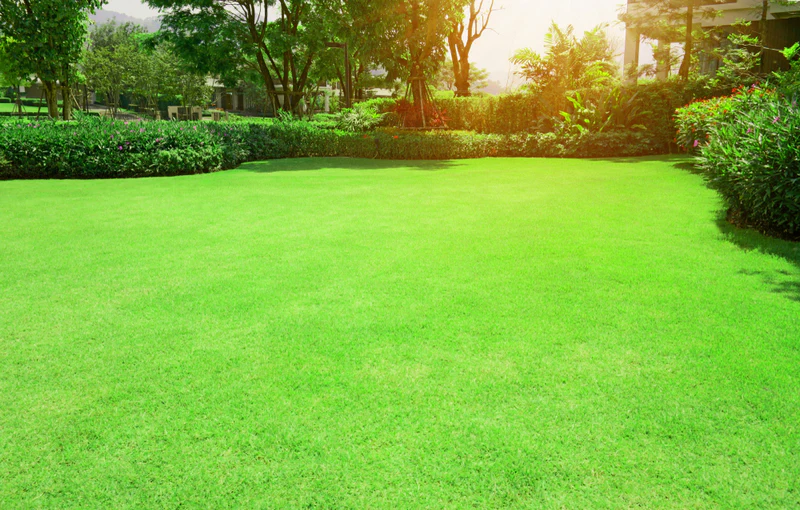
Bermuda grass is the most widely planted turf variety in the Dallas-Fort Worth area, and it is not hard to understand why. At its best — in full sun, with proper mowing, timely fertilization, and consistent maintenance — a DFW Bermuda lawn is one of the most impressive things in a residential landscape. Dense, dark green, with a tight, carpet-like texture and the resilience to bounce back from summer heat that would destroy other grass types. When Bermuda is doing well in North Texas, it looks genuinely exceptional.
When it is not being cared for correctly, Bermuda is one of the most frustrating grasses to manage — thin, patchy, weed-invaded, and stubbornly resistant to improvement efforts that are applied at the wrong time or with the wrong approach. The difference between a thriving DFW Bermuda lawn and a struggling one is almost always technique and timing, not effort.
This guide covers everything DFW homeowners need to know to care for Bermuda grass correctly through every season.
Bermuda Grass Basics for DFW Homeowners
Bermuda grass is a warm-season grass that thrives in full sun and warm temperatures. It goes dormant and turns brown when soil temperatures drop below approximately 50 degrees — which means most DFW Bermuda lawns are brown from roughly December through February. This is normal and expected. Bermuda is not dying. It is storing energy underground for the spring green-up.
Bermuda spreads through both above-ground stolons and below-ground rhizomes, which makes it an aggressive spreader that fills in bare areas quickly — and also means it will creep into landscape beds, driveways, and adjacent areas if not controlled with regular edging. This aggressiveness is one of Bermuda's greatest strengths and one of its most management-intensive characteristics.
Bermuda has virtually zero shade tolerance. If a section of your DFW yard receives less than six hours of direct sun daily, Bermuda will thin and eventually fail in that area regardless of how well it is otherwise maintained. Full sun is not negotiable for Bermuda to perform.
Mowing Bermuda Grass in DFW
Correct mowing height is the most important ongoing maintenance decision for Bermuda grass in North Texas. The target height during the active growing season is one to two inches — significantly shorter than St. Augustine or Zoysia. Bermuda cut at the correct height is dense, uniform, and visually impressive. Bermuda allowed to grow too tall becomes stemmy, open, and loses the tight carpet-like quality that makes it attractive.
The one-third rule applies to Bermuda as it does to every grass type: never remove more than one-third of the blade in a single mowing pass. If your Bermuda has grown too tall between visits, lower the height gradually over multiple cuts rather than scalping it back to the target height in one aggressive pass.
During the peak DFW growing season from May through September, Bermuda typically requires weekly mowing to maintain at the correct height. During the early spring green-up period from March through April, the frequency may be every ten to fourteen days initially before accelerating to weekly as growth rates increase. The spring scalp — a single lower-than-normal cut done in late February or early March — removes winter dormancy material and allows the sun to reach the grass crown, dramatically accelerating the green-up.
Bermuda should be mowed with sharp blades. Dull blades tear Bermuda grass rather than cutting it cleanly, leaving ragged brown tips that are visible immediately after mowing and make the lawn look unkempt even right after service.
Fertilizing Bermuda Grass in DFW
Bermuda is a heavy feeder. Of the three common DFW turf types, Bermuda responds most dramatically to well-timed, appropriate fertilization — and suffers most noticeably when fertilization is inadequate or poorly timed. A properly fertilized Bermuda lawn in DFW is noticeably darker, denser, and more vigorous than one that is nutritionally deficient.
The DFW Bermuda fertilization calendar looks like this: Do not fertilize until soil temperatures consistently reach 65 degrees, typically in March. Apply the first spring fertilization in March or April once active growth is confirmed. Follow with a summer application in May or June as growth accelerates. A third application in July or early August supports the lawn through peak heat. A fourth application in September supports root development heading into fall dormancy. Do not fertilize after mid-October — late-season nitrogen pushes new growth that is vulnerable to cold damage.
Bermuda has a high nitrogen requirement. High-quality slow-release nitrogen fertilizers produce more consistent results than quick-release products that push rapid flush growth followed by decline. Professional lawn care services use commercial-grade fertilizers that are not available at retail stores and produce measurably better results than big-box store products.
Watering Bermuda Grass in DFW
Bermuda is more drought-tolerant than St. Augustine once established, but it still needs approximately one inch of water per week during the active growing season. Deep, infrequent watering is significantly more beneficial than shallow daily watering. The goal is to deliver one inch of water in one to two sessions per week, encouraging roots to grow deep where they can access moisture during the inevitable dry spells of a DFW summer.
Water early in the morning — between five and ten AM — to minimize evaporation and eliminate the risk of moisture sitting on grass blades overnight where fungal disease can develop.
During extended drought with water restrictions, Bermuda can be allowed to go into temporary drought dormancy without permanent damage. It will appear brown but will recover quickly once adequate moisture is restored. This temporary dormancy tolerance is one of Bermuda's great strengths in the DFW climate.
Controlling Bermuda Grass Encroachment
Bermuda's aggressive spreading habit is excellent for filling in a lawn — and persistently problematic for landscape beds, driveways, and adjacent planting areas. Without consistent mechanical edging, Bermuda will colonize bed edges within a single growing season, pushing stolons and rhizomes into mulched areas and competing directly with landscape plants.
Consistent professional edging as part of every lawn maintenance visit is the most effective tool for managing Bermuda encroachment. Sharp mechanical edging creates a clean physical boundary that slows the grass's movement into adjacent areas and keeps the defined line between turf and bed that makes the property look professionally maintained.
Common Bermuda Grass Problems in DFW and How to Address Them
Thinning in shaded areas is the most common Bermuda problem in DFW. If sections of your Bermuda lawn are receiving less than six hours of direct sun, the grass will thin and fail in those areas regardless of maintenance. The solution is a grass type change — St. Augustine or Zoysia in shade-affected areas — not increased fertilization or watering.
Thatch buildup occurs when Bermuda's aggressive growth produces more organic material than it decomposes. A thatch layer over half an inch thick should be addressed with dethatching or core aeration, which breaks up accumulated material and improves oxygen and water penetration to the root zone.
Disease and pest pressure in Bermuda are most common during summer heat and humidity. Armyworms, bermuda mites, and fungal diseases including dollar spot can all affect DFW Bermuda lawns. Early identification through regular professional monitoring is the key to addressing these problems before they cause widespread damage.
Lone Star Mow Co provides expert Bermuda grass lawn care across Keller, Southlake, Haslet, Saginaw, Roanoke, Trophy Club, and the full DFW service area. From the spring scalp and pre-emergent timing through summer mowing and fall preparation, we execute every Bermuda-specific service at the right time and to the right standard.

Ready to get the Bermuda lawn your DFW property deserves?
Lone Star Mow Co delivers professional Bermuda grass lawn care for homeowners across Dallas-Fort Worth. Schedule your free consultation today.

Ready to Transform Your property?

Find Us On


