

Front Yard vs. Back Yard: Why They Need Different Lawn Care Approaches in North Texas
Front Yard vs. Back Yard: Why They Need Different Lawn Care Approaches in North Texas
The front yard and back yard of a typical North Texas residential property are managed as though they are essentially the same — they receive the same mowing height, the same irrigation schedule, the same fertilization timing, and the same general maintenance approach. This uniformity makes operational sense from a service delivery standpoint. It often does not make horticultural sense, because the two areas of the same property frequently have meaningfully different conditions that warrant different management approaches.
Understanding the specific differences between front and back yard conditions on most North Texas residential properties — and how those differences affect what the turf and landscape in each area actually needs — allows both homeowners and their service providers to make more effective decisions about how resources and attention are allocated across the full property.
Sun Exposure and Its Management Implications
The most common structural difference between front and back yards on North Texas residential properties is sun exposure — and it is a difference that directly affects which grass type performs well in each area and what maintenance inputs that grass requires.
Front yards in most North Texas neighborhoods receive relatively consistent sun exposure. Street-facing properties typically have minimal large tree coverage, and the front yard turf gets the full-day or near-full-day direct sun that warm-season grasses prefer. Bermuda in these conditions performs at its peak density and color potential.
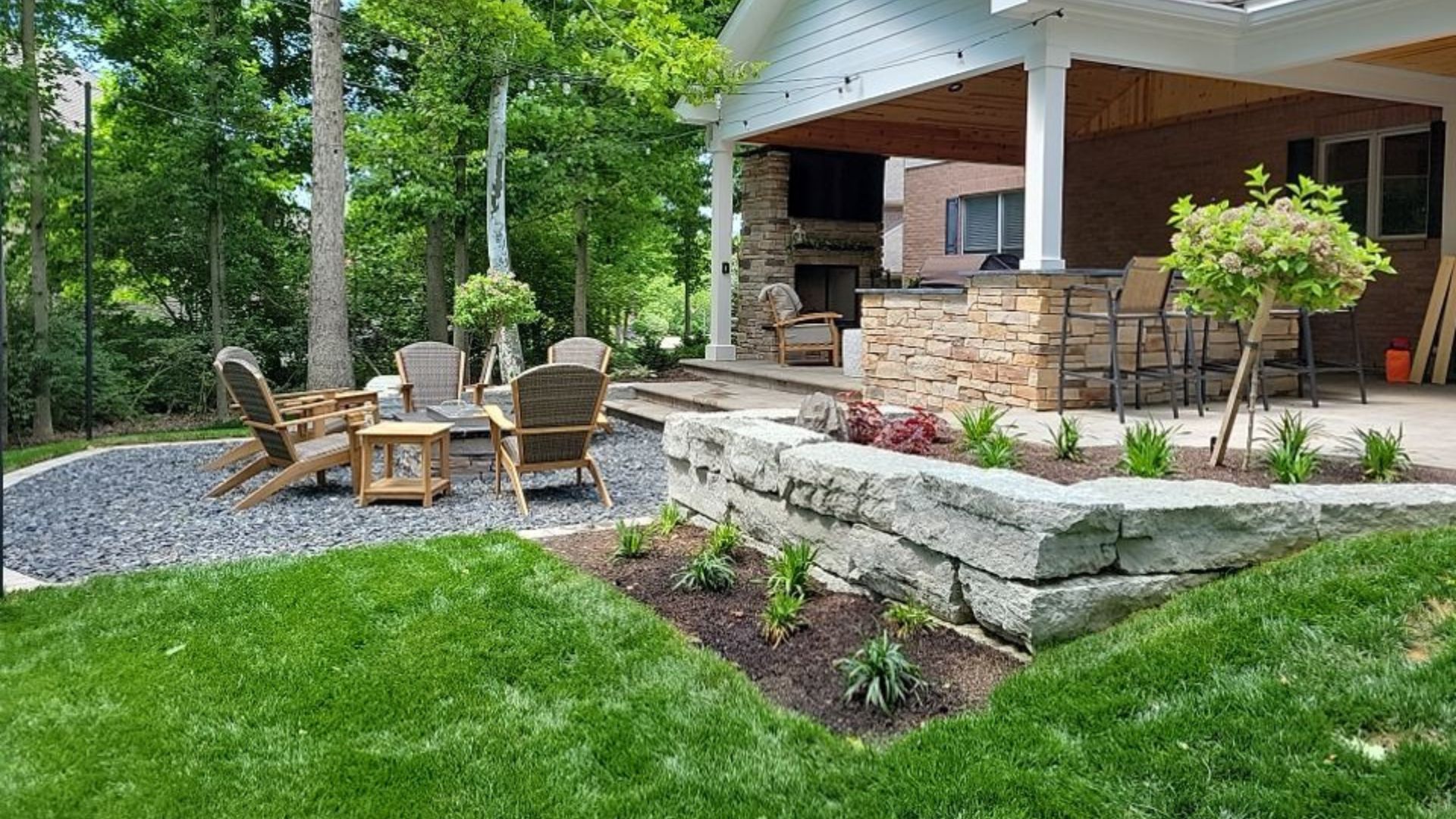
Back yards — particularly on established properties with mature trees — frequently receive significantly more shade coverage than front yards. The Live Oaks, Cedar Elms, and other shade trees that back yards accumulate over decades create partial to heavy shade conditions in sections of the back yard that Bermuda cannot perform well in.
Yet most North Texas properties have the same grass type in both the front and back — often Bermuda — installed without regard to the different shade profiles of each area. The front Bermuda thrives. The back Bermuda, in the shaded sections, is perpetually thin and struggling — not because maintenance is inadequate but because the grass type is not matched to the conditions.
The correct approach in many North Texas back yards with significant shade is a transition to St. Augustine or shade-tolerant Zoysia in the shaded sections while maintaining Bermuda in the areas with adequate sun. This is a renovation investment, but it permanently resolves the chronic thin-turf problem in shaded back yard sections rather than requiring ongoing maintenance investment to manage a mismatched grass type.
Traffic Patterns and Turf Management
Front and back yards experience fundamentally different traffic patterns that affect turf management needs.
Front yards receive primarily visual traffic — they are observed from the street and from the front walk, but foot traffic in most residential front yards is limited to the path from the driveway to the front door. The turf in the front yard is primarily a visual element rather than a use surface.
Back yards receive intensive use traffic — children playing, dogs running the same routes repeatedly, outdoor entertaining, patio access paths. This concentrated foot traffic creates the compaction and wear patterns described in the back yard lawn use blogs that front yards almost never experience at equivalent intensity.
The maintenance implication is that back yard turf typically needs more aggressive annual aeration than front yard turf because the compaction accumulation from intensive use is greater. The front yard may perform adequately with one aeration session per year; the back yard — particularly properties with dogs or active children — may benefit from two sessions, or from more aggressive aeration approaches, to address the compaction that use traffic creates.
Irrigation Efficiency and Distribution Differences
Irrigation systems in most North Texas residential properties are divided into zones by area — front yard zones, back yard zones, landscape bed zones. The irrigation schedule that delivers adequate moisture to the front yard turf may or may not be appropriate for the back yard conditions.
The shade difference described above means that shaded back yard turf areas lose moisture to evaporation more slowly than full-sun front yard turf — meaning the same irrigation frequency that is appropriate for the front yard may be overwatering shaded back yard sections. Over-irrigating shaded back yard turf is one of the most consistent contributors to the fungal disease and poor turf performance that homeowners attribute to general back yard conditions.
Additionally, back yards with significant tree coverage have the moisture competition dynamic described in the tree root blog — the tree root systems competing with grass roots for available soil moisture, requiring the consideration of whether turf in high-root-competition zones is receiving adequate moisture after accounting for tree uptake.
The Visual Priority Difference
Front yards serve a public-facing visual function that back yards typically do not. The front yard is evaluated by neighbors, visitors, real estate observers, and HOA inspectors. The standard it is held to is the community appearance standard. A front yard that does not meet the visual quality of the neighborhood creates the negative impression and potential HOA attention that back yard condition almost never creates.
This visual priority difference does not mean back yards should be neglected — but it does mean that when maintenance resource allocation decisions are made, the front yard appearance standard should be the non-negotiable baseline. The front yard is the property's public presentation; its maintenance standard reflects directly on the homeowner's investment in the property and community.
For professional service purposes, Lone Star Mow Co applies the same technical maintenance standards to front and back yards — the same mowing height for the same grass type, the same edging standard at hard surface boundaries in both areas, the same attention to detail in trimming and cleanup. But the assessment of specific improvement investments — aeration frequency, grass type transitions, drainage corrections — recognizes that the conditions and priorities of front and back yards on the same property are often meaningfully different.

Does your North Texas property's front and back yard receive the right maintenance approach for each area's specific conditions?
Lone Star Mow Co provides property-specific assessment and complete maintenance for homeowners across Keller, Southlake, Haslet, Saginaw, Roanoke, and Trophy Club. Schedule your consultation today.

Ready to Transform Your property?

Find Us On


