

How North Texas Soil pH Affects Plant Selection — and What to Plant Where
How North Texas Soil pH Affects Plant Selection — and What to Plant Where
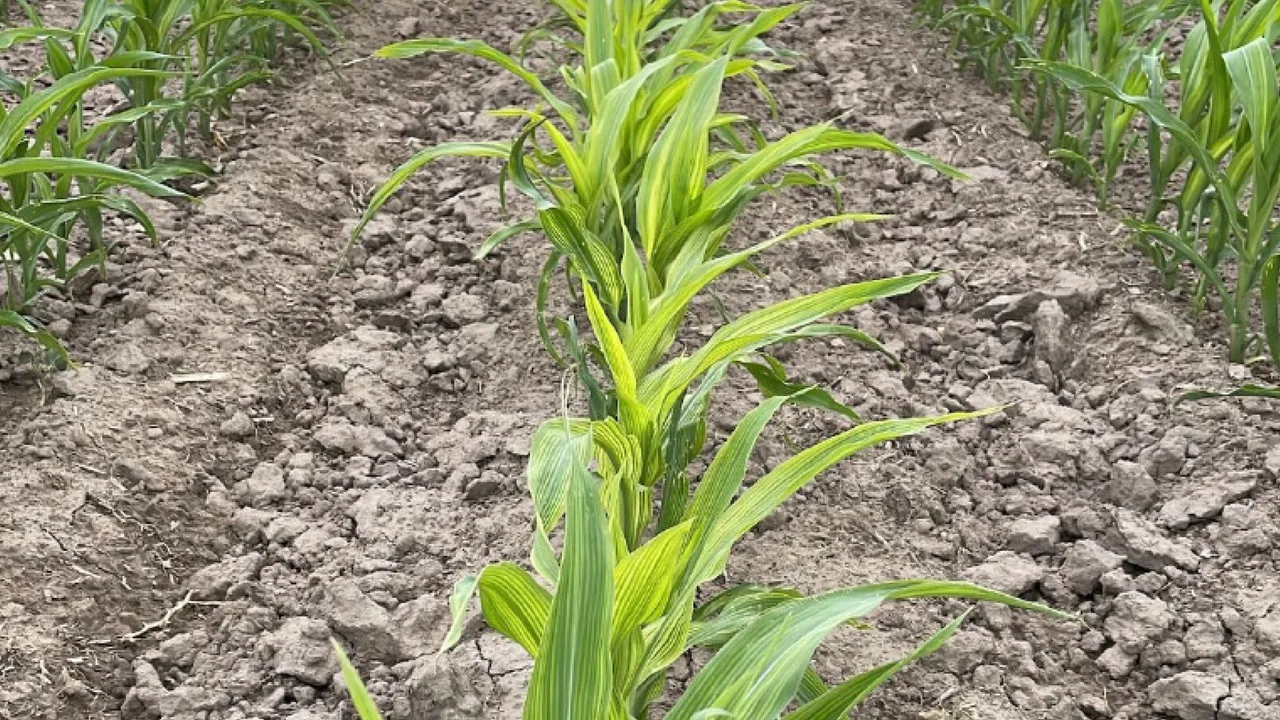
The yellow lawn blog covered iron chlorosis — what happens when alkaline soil chemistry locks iron into unavailable forms that grass roots cannot absorb. That specific mechanism is one consequence of North Texas's characteristically high soil pH, but it is not the only one. Soil pH affects plant performance broadly — determining which plants have easy access to the full spectrum of nutrients they need and which are chronically limited regardless of how much fertilizer is applied.
Understanding how pH affects plant selection — and specifically which plants are well-suited to North Texas's alkaline soil versus which are fighting it — produces landscape decisions that succeed long-term rather than requiring the ongoing amendment battle of attempting to grow plants in conditions they are not suited for.
How pH Limits Nutrient Availability
As described in the earlier pH blog, North Texas Blackland Prairie soil typically tests between pH 7.5 and 8.2 — significantly above the 6.0 to 7.0 range where most plant nutrient uptake is most efficient. At these pH levels:
Iron, manganese, zinc, and copper become chemically bound to the soil in insoluble forms that roots cannot absorb — even when these elements are present in adequate physical quantities. The deficiency is chemical availability, not physical absence.
Phosphorus forms insoluble calcium phosphate compounds at high pH, reducing its availability to plants even when phosphorus fertilizer is applied.
Beneficial soil organisms — the bacteria and fungi that support nutrient cycling and disease resistance — have reduced activity at high pH compared to the slightly acidic to neutral range they prefer.
The plants that succeed most readily in alkaline North Texas soil are those that either prefer or tolerate alkaline conditions, or that have the specific physiological adaptations to access nutrients in high-pH environments. The plants that struggle despite good care are frequently those whose native range or evolutionary conditions involved more acidic soils.
Plants That Thrive in Alkaline North Texas Soil
Bermuda Grass is among the most alkaline-tolerant of warm-season grasses — its native range in the tropical and subtropical regions of Africa and Asia includes alkaline soil types, and it handles the chemistry of North Texas clay more competently than most alternative grasses.
Texas Sage (Cenizo) evolved in the alkaline limestone soils of the Chihuahuan Desert and Trans-Pecos Texas — arguably more alkaline than the Blackland Prairie. It is one of the least pH-sensitive landscape plants available for North Texas, making it the near-ideal choice for the most alkaline positions.
Yaupon Holly is native to the acidic coastal soils of east Texas but has demonstrated impressive adaptability to alkaline North Texas conditions in residential landscape settings. Established Yaupon performs well in this pH range with modest supplemental iron.
Loropetalum tolerates alkaline North Texas soil adequately in maintained landscape beds with annual mulch and appropriate iron supplementation, though it shows more persistent yellow-green color in this soil than in the acidic southeastern soils it prefers.
Knockout Roses are among the most pH-tolerant of flowering shrubs commonly used in North Texas landscapes — they perform acceptably across a wide pH range and are less prone to iron chlorosis than many alternative flowering plants.
Native prairie species — various grasses and forbs from the Blackland Prairie itself — evolved in these specific alkaline clay conditions and perform with minimal amendment in sites that approximate their natural habitat.
Plants That Struggle in Alkaline North Texas Soil
Azaleas require acidic soil (pH 5.0 to 5.5) that is the opposite of North Texas conditions. Without extensive soil amendment (creating artificial acidic growing conditions through peat moss, sulfur, and acidifying fertilizers in isolated beds), azaleas decline and fail in North Texas alkaline clay. They can succeed in containers with acidic potting mix, but residential landscape installation on standard North Texas soil is not appropriate without the understanding that substantial and continuous pH management is required.
Gardenias have similar acidic soil preferences to azaleas — pH 5.0 to 6.0 — and similar performance limitations in alkaline North Texas conditions. Iron chlorosis is severe and persistent in gardenias growing in unamended alkaline soil.
Japanese Maples require acidic to neutral soil and cool summer temperatures — two conditions that North Texas does not provide naturally. While they can be grown in heavily amended, raised-bed or container conditions with irrigation and shade management, standard residential landscape installation in alkaline clay full-sun exposure produces the distress and decline that makes them a high-maintenance, uncertain-outcome choice.
Blueberries require highly acidic soil (pH 4.5 to 5.5) and cannot be grown productively in North Texas alkaline clay without radical soil amendment and ongoing pH management. Not a practical landscape plant for standard North Texas residential conditions.
Hydrangeas — particularly the pink-to-blue mophead types that change flower color based on soil pH — are frequently sold in North Texas and perform inconsistently. Hydrangeas can succeed in partially shaded locations with appropriate irrigation, but the alkaline soil produces the iron chlorosis that limits their performance and the pink flower color (alkaline pH produces pink; acidic pH produces blue) that homeowners may not have expected.
The Practical Plant Selection Framework
For North Texas residential landscape installation, the practical framework is:
Choose species whose native habitat includes alkaline or neutral soil conditions. The list of attractive, well-performing landscape plants native to the South-Central and Southwestern United States includes extensive alkaline-tolerant options — many more than most homeowners realize. The native plant palette and the adapted non-native alternatives provide ample aesthetic range without requiring the ongoing chemical struggle of forcing acid-preferring plants to grow in alkaline conditions.
For specific plants that are desired but pH-challenging: Use raised-bed or container growing conditions with specifically prepared acidic growing media for acid-requiring plants. Supplement with chelated iron fertilizers for plants in the moderately pH-sensitive range that perform adequately in North Texas conditions with iron support.
Test before amending. As covered in the soil testing blog, knowing the actual pH of the specific soil at the specific installation site directs the amendment decisions correctly rather than applying general recommendations to unknown conditions.
Lone Star Mow Co's tree and shrub installation service incorporates pH compatibility assessment in every plant recommendation — the goal is always plants that succeed in the actual soil conditions of the specific property rather than plants that require ongoing pH management to survive.

Want landscape plant selections that work with your North Texas soil's actual chemistry rather than fighting it?
Lone Star Mow Co provides professional tree and shrub installation with site-specific plant selection expertise. Serving Keller, Southlake, Haslet, Saginaw, Roanoke, and Trophy Club. Schedule your free consultation today.

Ready to Transform Your property?

Find Us On


