


Landscape Design in DFW: How to Transform Your Yard From the Ground Up
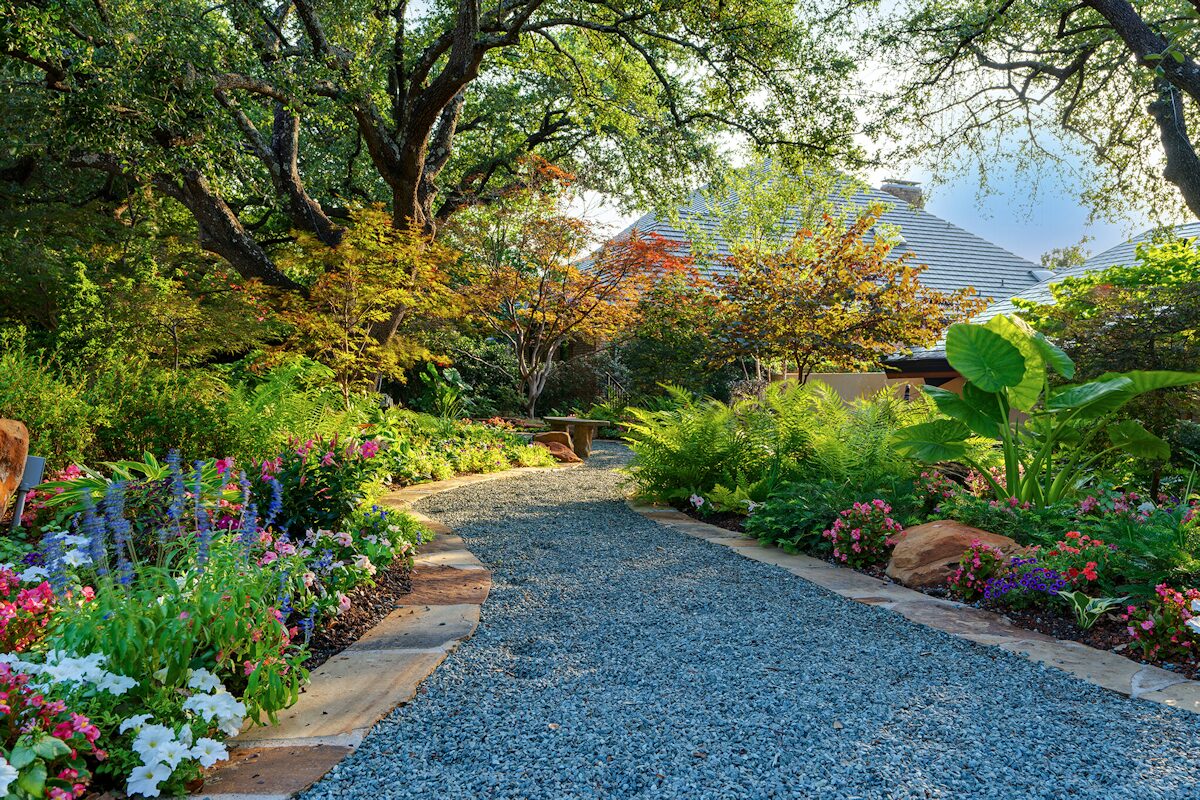
Landscape Design in DFW: How to Transform Your Yard From the Ground Up
Your yard is the first thing people see when they pull up to your home. Before they ring the doorbell, before they see a single room inside, the exterior of your property has already made an impression. For homeowners across Keller, Southlake, Haslet, Saginaw, Trophy Club, Roanoke, and the surrounding DFW communities, that first impression matters — and landscape design is the most powerful tool available to control exactly what that impression is.
Professional landscape design is not just about planting flowers or laying down some mulch. It is a thoughtful, intentional process that combines the layout of your property, the selection of plants suited to the North Texas climate, the use of materials that add structure and definition, and a long-term vision for how your outdoor space looks, functions, and grows over time. Done right, landscape design transforms a yard from an afterthought into one of your home's most valuable and visually compelling features.
At Lone Star Mow Co, we provide custom landscape design and installation for DFW homeowners who are ready to stop settling for an average-looking yard and start building an outdoor space that reflects the pride they take in their home.
What Professional Landscape Design Actually Involves
A lot of homeowners hear "landscape design" and picture an expensive, complicated process that is out of reach for the average property. The reality is that professional landscape design is a structured, step-by-step process that starts with understanding your property and your goals — and it works for yards of every size and budget.
Here is what a professional landscape design process looks like from start to finish:
Property AssessmentEvery landscape design project starts with a thorough look at the property. Sun exposure, shade patterns, soil condition, drainage, existing vegetation, and the architecture of the home all inform every design decision that follows. A design that ignores these factors — no matter how it looks on paper — will produce plants and materials that struggle, look out of place, or require constant attention.
In DFW, this assessment is especially important because North Texas conditions are demanding. Clay-heavy soil, extreme summer heat, periodic drought, and the possibility of hard winter freezes all need to be factored into plant selection and bed placement from the very beginning. A landscape design that does not account for these realities will cost more to maintain and look worse over time.
Layout and Design PlanningOnce the property is assessed, a landscape design plan takes shape. This includes the placement of beds, the selection of plants, the use of mulch or decorative rock as ground cover, pathways, borders, and any structural elements that give the yard its visual organization. The layout needs to serve both form and function — it should look intentional and clean from the street, and it should work practically with the way your household uses the outdoor space.
A well-executed landscape design in DFW is layered. Taller plants and shrubs in the back provide structure and privacy. Mid-height plants in the middle create visual depth and transition. Lower-growing plants, groundcovers, and borders in the front complete the composition and tie everything together. This layered approach is what makes a professionally designed landscape look cohesive and polished rather than random.
Plant Selection for North TexasThis is where landscape design in DFW requires specific knowledge. Plants that thrive in other parts of the country often struggle or fail outright in North Texas conditions. The best landscape design for a DFW yard prioritizes plants that are adapted to the local climate — tolerant of summer heat, capable of handling periods of drought, and able to recover from the occasional hard freeze.
Some of the most reliable, high-performing plants for DFW landscape design include Knockout roses, which bloom repeatedly from spring through fall with minimal care; Lantana, a Texas favorite that handles heat and drought exceptionally well while delivering consistent color; Loropetalum, a versatile shrub with deep purple-red foliage that adds year-round structure to landscape beds; Liriope, a dependable, low-growing border plant that holds up through both heat and cold; Indian Hawthorn, a classic North Texas shrub known for its clean appearance and cold hardiness; and ornamental grasses like Mexican feather grass and muhly grass, which add movement, texture, and seasonal interest without requiring significant water or maintenance.
The right plant selection for your specific property depends on the sun exposure of each bed area, the soil drainage in different parts of your yard, and what you want the space to look like and do for you over time. This is why professional landscape design — guided by someone who understands DFW conditions — consistently produces better results than buying plants at a garden center and hoping for the best.
Tree and Shrub PlacementTrees and shrubs are the structural backbone of any landscape design. They provide height, shade, privacy, and year-round visual interest in a way that smaller plants and flowers cannot. In DFW, tree and shrub placement also serves a practical function — strategically placed shade trees on the west and southwest sides of a property can measurably reduce cooling costs during the summer by blocking direct afternoon sun from hitting the home.
Shrubs installed along foundation lines, fence lines, and property borders define the edges of a space and give the landscape design a finished, intentional look that holds up through every season. When properly selected for the DFW climate and planted with adequate spacing for their mature size, trees and shrubs require relatively little ongoing maintenance once established — making them one of the highest-return investments in any landscape design project.
Mulch and Rock InstallationOnce plants are in place, the ground cover that fills the beds is one of the most important finishing touches in any landscape design. The two primary options for DFW homeowners are mulch and decorative rock, and each has specific advantages depending on what you are trying to achieve.
Mulch — typically cedar or hardwood in the DFW area — gives beds a clean, rich, natural appearance that makes plants pop visually. More importantly, mulch performs critical practical functions: it regulates soil temperature during North Texas summers, retains moisture to reduce watering frequency, suppresses weed germination, and breaks down over time to add organic matter back into the soil. For most DFW landscape beds, a two to three inch layer of fresh mulch is the most beneficial ground cover option. Mulch should be refreshed one to two times per year to maintain both its appearance and its soil health benefits.
Decorative rock and gravel are appropriate in specific landscape design contexts — low-water areas, around cacti and succulents, xeriscaping zones, or areas where a more modern or minimalist aesthetic is the goal. Rock does not decompose like mulch, which means it requires less frequent replacement, but it also raises soil temperature significantly during summer heat, which can stress certain plants. The right choice between mulch and rock depends on your specific landscape design goals, the plants you are working with, and the look you want to achieve.
How Landscape Design Adds Real Value to Your DFW Home
For DFW homeowners in competitive real estate markets like Southlake, Keller, Colleyville, and Trophy Club, professional landscape design is not just about aesthetics. It is a direct investment in property value.
A well-executed landscape design enhances curb appeal, and curb appeal has a documented impact on home value. Well-planned, professionally installed landscaping has been cited in industry research as capable of boosting a home's perceived value measurably — and in high-value North Texas neighborhoods, that impact is amplified by the expectations buyers bring to those markets.
Beyond resale value, landscape design improves the daily experience of owning your home. A yard that is thoughtfully designed feels welcoming, functions well, and requires less reactive maintenance than one that was thrown together without a plan. Weed pressure in well-mulched, properly planted beds is reduced. Plants selected for the DFW climate need less intervention to stay healthy. Beds with defined edges and appropriate ground cover stay cleaner and more presentable through the full growing season.
For homeowners who take pride in their property — and in a community like DFW, that is most of them — professional landscape design is the difference between a yard that looks like it was given real thought and one that just looks like grass with some plants stuck in it.
Landscape Design Tips for DFW Homeowners
Whether you are planning a full landscape installation or starting with a targeted improvement to a specific area of your yard, these tips apply across all DFW landscape design projects:
Start with a clear plan before you plant anything. The most common and most costly mistake in DIY landscape projects is buying plants before thinking through where they will go, how large they will grow, and whether they are right for the sun and soil conditions in that specific area. A plant that thrives in full sun, placed in a shaded bed, will never look right regardless of how much attention it receives.
Think about mature size from day one. Shrubs and trees that look perfectly proportioned when planted can overwhelm beds, cover windows, and crowd each other out within a few years if spacing is not planned around their eventual mature size. Professional landscape design accounts for mature size in every placement decision.
Layer your plants for visual depth. A flat, single-row planting along a foundation line looks amateur compared to a layered design that places taller plants behind shorter ones. Layering creates visual interest, gives the landscape design a three-dimensional quality, and ensures that something in every bed looks good through every season.
Use edging to define your beds. Clean, defined bed edges are one of the most impactful details in any landscape design. Sharp borders between beds and the lawn communicate intention and professionalism. Without defined edges, even the best plant selection looks unkempt within a few weeks of installation.
Mulch every bed, every year. Fresh mulch is the single fastest and most cost-effective way to refresh the appearance of landscape beds. It is also one of the most important soil health practices for DFW landscape design, particularly in the summer months when retaining soil moisture and moderating ground temperature directly affects whether your plants make it through the heat.
Choose low-maintenance plants for high-sun areas. North Texas summers are brutal on plants that require consistent moisture or prefer cooler conditions. Beds in full sun — particularly on the south and west faces of a DFW property — should be planted with drought-tolerant species that are proven performers in the local climate. This is not about settling for less visually. Many of the toughest North Texas plants are also among the most beautiful.
Common Landscape Design Mistakes DFW Homeowners Make
Professional landscape design avoids the errors that cost homeowners time and money on failed plantings, overgrown beds, and constant reactive maintenance. These are the most common mistakes we see on DFW properties:
Planting without knowing sun and shade patterns. Placing a full-sun plant in a shaded location, or a shade-tolerant plant in a bed that gets eight hours of direct Texas sun, almost always ends in failure. Every plant selection in a professional landscape design is matched to the actual light conditions of its specific location.
Choosing plants that are not adapted to North Texas conditions. Garden centers carry beautiful plants that look compelling on the shelf but have no business being in a DFW landscape. Plants that require consistent moisture, cannot handle alkaline clay soil, or are not cold-hardy enough to survive a North Texas winter will need to be replaced repeatedly. Professional landscape design for the DFW area prioritizes proven, climate-adapted plants from the start.
Ignoring drainage. Low spots in the yard that collect water after rain are plant killers in DFW, particularly for plants that need well-drained soil. A professional landscape design identifies drainage issues early and addresses them through grading, bed placement, or appropriate plant selection — rather than discovering the problem after installation when plants begin failing.
Planting too close together. Overcrowded beds look dense immediately after planting and look disastrous within two to three years as plants compete for space, block each other's sunlight, and require constant pruning to manage. Proper spacing based on mature plant size is a foundational principle of professional landscape design.
Skipping mulch or using the wrong ground cover. Bare soil in landscape beds is an open invitation for weeds and accelerates moisture loss during DFW summers. Not mulching, or mulching with plain topsoil or the wrong product, eliminates one of the most effective tools in keeping a landscape design looking clean and performing well.
Landscape Design as Part of a Complete DFW Outdoor Plan
The strongest outdoor spaces in DFW combine professional landscape design with consistent ongoing care. Trees, shrubs, and plants that are beautifully designed and properly installed still need regular maintenance — trimming, edging, bed cleanouts, and seasonal mulch refreshes — to stay at their best. A landscape design is not a one-time project. It is a living system that requires thoughtful, consistent attention to deliver on its potential year after year.
At Lone Star Mow Co, we handle every part of that process. From the initial landscape design consultation and plant selection, through full installation of trees, shrubs, beds, mulch, and rock, to ongoing lawn maintenance and care that keeps your property looking its best through every season — we are the team DFW homeowners in Keller, Southlake, Haslet, Roanoke, Justin, Northlake, Saginaw, Azle, and Lake Worth call when they want a yard that actually looks like someone cared enough to do it right.

Ready to transform your DFW yard with professional landscape design?
Lone Star Mow Co provides custom landscape design and full installation for homeowners across the DFW area. From plant selection to finished beds, we build outdoor spaces that enhance your property and hold up through every North Texas season.

Ready to Transform Your property?

Find Us On


