


Landscaping Ideas for DFW Yards: Transform Your Outdoor Space This Season
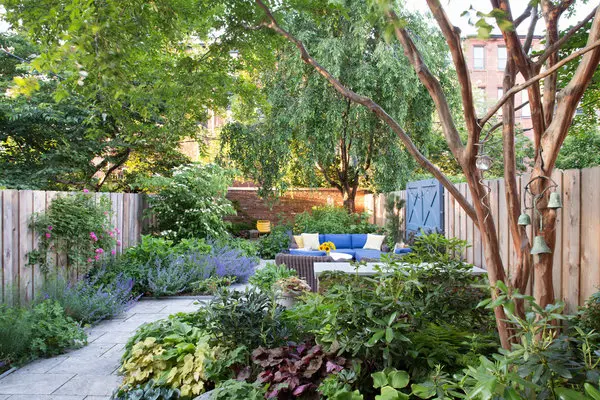
Landscaping Ideas for DFW Yards: Transform Your Outdoor Space This Season
The best DFW landscapes are not accidents. They are the result of intentional decisions — plant selections matched to actual site conditions, design elements that are proportional to the home and the lot, ground cover that works with the climate rather than against it, and the kind of layered structure that gives the landscape visual interest through every season. Getting to that result from wherever your yard is starting requires ideas that are actually practical for North Texas conditions — not Pinterest boards of lush Pacific Northwest gardens that would wilt in a DFW July.
This guide covers proven, practical landscaping ideas for DFW homeowners across Keller, Southlake, Haslet, Saginaw, Roanoke, and Trophy Club — ideas that work in our soil, our heat, and our climate, and that deliver genuine improvement to your property's appearance and value.
Idea 1: Layer Your Foundation Plantings for Visual Depth
One of the most common landscaping problems on DFW residential properties is a single row of same-height shrubs planted in a straight line along the front of the house. This foundation planting style was standard in mid-century residential construction and it produces a flat, dated appearance that makes the home look smaller and less interesting than it is.
The replacement idea is layering. Instead of one row at one height, design foundation beds with three layers of height: taller background plants — a Loropetalum variety reaching six to eight feet at maturity, or a small ornamental tree like a Texas Redbud — against the wall; mid-height structural shrubs like Indian Hawthorn, Dwarf Yaupon Holly, or Knockout Roses in the middle zone; and lower border plants or groundcover like Liriope or Lantana at the front edge nearest the lawn.
This three-layer approach creates visual depth that makes the landscape look professionally designed, makes the facade of the home more visible rather than less, and gives the bed seasonal interest throughout the year as different layers come into prominence at different times.
Idea 2: Define Every Bed Edge with Clean, Mechanical Borders
This is the fastest, most affordable landscaping upgrade available to any DFW homeowner — and one of the highest-impact. Sharp, mechanically cut edges between lawn and landscape beds are the detail that separates a professionally maintained property from one that just has plants in the ground.
Clean bed edges do several things simultaneously. They stop Bermuda grass encroachment into beds — the most persistent maintenance problem on DFW landscapes. They create visual definition that makes beds look intentional and structured. And they communicate property care in a way that is immediately visible to anyone who sees the yard.
If your bed edges are soft, overgrown, or unclear where the turf ends and the bed begins, a professional re-edging as part of a bed cleanout service transforms the appearance of the entire landscape — often more dramatically than adding new plants.
Idea 3: Add a Statement Tree to an Otherwise Flat Landscape
Many DFW residential yards lack vertical structure — they have foundation plantings at one height and lawn everywhere else, with nothing to break up the flatness or provide shade, visual interest, or the sense of scale that mature trees create.
Adding one or two strategically placed trees transforms the landscape in a way that no amount of shrub planting can replicate. For DFW front yards, a Chinese Pistache positioned where it will provide afternoon shade on the west side of the home gives you spectacular fall color, meaningful shade that reduces cooling costs, and a landscape focal point that becomes more impressive every year.
For backyard spaces, a Live Oak or Cedar Elm provides the kind of canopy shade that makes the outdoor space actually usable during the long DFW spring and fall seasons. The investment in a quality shade tree installation pays dividends for decades.
Idea 4: Replace Bare, Weed-Filled Side Yard Areas with Low-Maintenance Mulch Beds
The side yard is the most commonly neglected area on DFW residential properties — too narrow for meaningful lawn use, too exposed to benefit from shade plantings, and just bare enough to constantly fill with weeds without any other purpose.
The practical landscaping solution is a defined mulch bed running the full length of the side yard, bordered by clean steel or concrete edging on both sides, filled with drought-tolerant structural plants like Yaupon Holly, Texas Sage, or ornamental grasses, and topped with a clean layer of fresh cedar or hardwood mulch. This approach eliminates the weed management burden of a bare side yard, creates a clean defined space that requires minimal ongoing maintenance, and dramatically improves the appearance of the side of the home as seen from the street.
Idea 5: Install Decorative Rock in Drainage and Erosion Problem Areas
DFW properties frequently have specific areas where mulch washes out repeatedly — downspout discharge zones, areas at the bottom of slopes, and beds adjacent to hardscape edges where water runoff is concentrated. Continuously replacing washed-out mulch in these areas is a recurring cost and frustration.
Decorative rock — river rock, decomposed granite, or crushed limestone — is the practical landscaping solution for these specific zones. Rock stays in place under water flow, controls erosion effectively, and creates a clean, defined appearance. Pair it with drought-tolerant plants that can handle the elevated soil temperatures that rock creates, and you have a low-maintenance solution to a persistent problem.
Idea 6: Create Visual Interest with Seasonal Color in Key Spots
A landscape that relies entirely on evergreen structure plants has year-round presence but lacks the vibrancy and visual energy that seasonal color delivers. Adding strategically placed color plants in the highest-visibility areas of your DFW landscape — the entry bed closest to the front door, a planting adjacent to the driveway approach, a container on the front porch — creates a welcoming, lively appearance that pure structure planting cannot achieve.
For DFW conditions, the most reliable seasonal color plants are ones specifically chosen for heat tolerance: Lantana and Knockout Roses through the full summer season, Mexican Sage and Gulf Muhly Grass for spectacular fall color, and cool-season annuals like pansies and snapdragons for winter and early spring color. Rotating these through key highly-visible spots keeps the landscape looking seasonally fresh without requiring extensive maintenance.
Idea 7: Mulch Rings Around All Significant Trees
Every mature tree on your DFW property benefits from a maintained mulch ring extending from the trunk outward to the drip line or as far as practical. Mulch rings protect tree roots from lawn mower damage, retain soil moisture in the root zone during summer drought periods, moderate soil temperature extremes, and eliminate the repeated trimming around tree trunks that is one of the most time-consuming aspects of maintaining a mowed lawn.
The mulch ring also creates a visual element that integrates trees more deliberately into the landscape design. A tree with a clean, mulched ring looks like an intentional landscape feature. A tree with lawn growing right up to the trunk looks incidental.
Idea 8: Consider Sod Installation Where Grass Consistently Fails
Some areas of DFW yards have chronic turf problems that are actually landscape problems in disguise — areas where the existing grass type is wrong for the conditions, where soil was never properly prepared during installation, or where drainage issues prevent healthy establishment. Continuing to maintain struggling turf in these areas costs money and produces frustration without improving results.
The right landscaping idea for chronically failing turf areas depends on the cause. If the failure is shade-related, replace the grass with shade-appropriate plants and mulch. If the grass type is wrong for the conditions, replace it with appropriate sod. If the soil is the problem, address the soil before replacing the turf. Professional assessment identifies the actual cause and recommends the appropriate solution.
Lone Star Mow Co can help DFW homeowners develop and implement any of the landscaping ideas covered in this guide. From landscape design and installation to sod installation, mulch and rock installation, tree and shrub installation, and ongoing maintenance that keeps the landscape looking its best — we bring the local expertise and professional execution that transforms DFW yards from functional to genuinely impressive.

Ready to transform your DFW yard with landscaping ideas that actually work in North Texas?
Lone Star Mow Co provides professional landscape design and installation for homeowners across Dallas-Fort Worth. Schedule your free consultation and let us show you what your property can become.

Ready to Transform Your property?

Find Us On


