

Leaf Cleanups in DFW: Why Fallen Leaves Are More Damaging Than You Think
Leaf Cleanups in DFW: Why Fallen Leaves Are More Damaging Than You Think
Autumn in the Dallas-Fort Worth area is genuinely beautiful. The Shumard Oaks turn red and burgundy along neighborhood streets. Chinese Pistache trees light up in orange and gold. Cedar Elms drop a soft layer of small yellow leaves across lawns that have been green all summer. For a few weeks, the fall color across Keller, Southlake, Haslet, Roanoke, and Trophy Club rivals anything North Texas gets to enjoy year-round.
Then reality sets in. Those beautiful leaves are on your lawn — and they need to go.
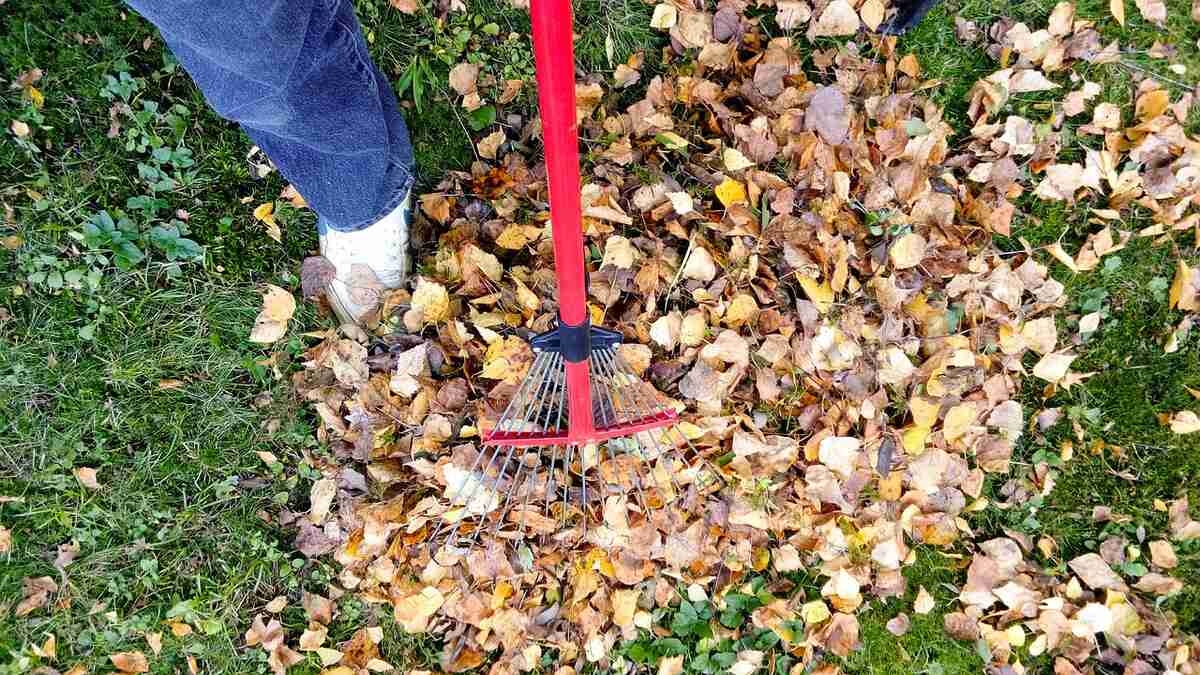
Most DFW homeowners understand that leaf cleanups are a seasonal chore. What fewer homeowners fully understand is just how much damage a heavy accumulation of fallen leaves can do to a North Texas lawn in a short period of time. Leaves left on a DFW lawn through the fall and into winter are not just an eyesore. They are actively damaging your turf, creating conditions for disease, inviting pests, blocking the resources your grass needs to survive the cooler months, and undermining months of lawn care investment in the process.
At Lone Star Mow Co, professional leaf cleanups are part of how we protect DFW homeowners' lawns through the transition from the growing season into the cooler months — and part of how we set those lawns up for a strong, healthy spring green-up the following year.
What Fallen Leaves Actually Do to Your DFW Lawn
The relationship between fallen leaves and lawn health is more nuanced than most homeowners realize — and the details matter, especially in the North Texas climate.
A thin, light scattering of fallen leaves across a DFW lawn is not an emergency. A small amount of leaf material can actually be beneficial: as leaves decompose, they release organic matter and nutrients back into the soil, providing a modest natural fertilizer effect. If the leaf coverage is light — roughly under twenty to thirty percent of the lawn surface — the impact is minimal and manageable.
The problem begins when leaf accumulation crosses the threshold from light scattering to moderate-to-heavy coverage, and that threshold is reached faster than most homeowners expect during peak leaf drop in the DFW area. Once a thick layer of leaves builds up across a lawn, a cascade of specific, damaging effects begins:
Sunlight is blocked from reaching the grass. Warm-season grasses like Bermuda, St. Augustine, and Zoysia rely on photosynthesis to store energy in their root systems during the fall months — energy that directly determines how well those grasses emerge from dormancy the following spring. A thick mat of leaves covering the turf surface blocks the sunlight that drives this process. The longer that blockage persists, the weaker the grass goes into dormancy and the harder it has to work to recover when warmer temperatures return.
Moisture gets trapped and fungal disease develops. This is the most serious and most immediate health threat from leaf accumulation on a DFW lawn. Wet leaves packed against the grass surface create a dark, humid microenvironment with virtually no airflow — exactly the conditions that fungal lawn diseases like brown patch thrive in. Brown patch is already endemic to North Texas lawns and causes significant damage every fall season when conditions are right. A heavy layer of fallen leaves sitting on a St. Augustine or Zoysia lawn through a period of autumn rainfall and cool temperatures is a reliable trigger for fungal disease outbreaks that can cause serious turf damage well before winter officially arrives.
Oxygen and water are prevented from reaching the soil. Grass roots need oxygen from air movement through the soil profile and consistent moisture penetration from rainfall and irrigation. A compacted mat of wet leaves sitting on the lawn surface impedes both. Water pools on top of the leaf layer instead of soaking into the soil. Air circulation near the soil surface is essentially eliminated. Both of these effects stress grass roots and compound the damage caused by light deprivation.
Pests find ideal habitat in leaf piles. Accumulated leaf debris provides exactly the kind of dark, protected, moist environment that many lawn pests prefer for overwintering. Fire ant activity — already a serious concern in DFW — can concentrate under leaf piles. Rodents like mice and voles use heavy leaf accumulation as cover and can cause significant turf damage while foraging underneath. Insects of various kinds use decomposing leaf material for shelter and food through the cooler months. A professional leaf cleanup eliminates this habitat before it becomes established.
Spring recovery is significantly delayed. Lawns that go through fall and winter under a heavy blanket of leaves consistently emerge from dormancy in worse condition than lawns that received proper leaf cleanups. The combination of reduced photosynthesis during fall, root stress from blocked oxygen and moisture, and potential fungal and pest damage collectively weaken the turf in ways that manifest as thin, patchy, slow-recovering growth the following spring. In the DFW area, where a strong spring green-up is one of the things homeowners look forward to most after the cooler months, the difference between a lawn that received proper fall leaf cleanups and one that did not is striking and immediate.
The Trees That Dominate DFW Leaf Cleanups
Understanding the leaf drop patterns of the trees most common in DFW residential landscapes helps homeowners plan their leaf cleanup needs accurately — because different trees drop leaves at different times and in different volumes, and knowing what you are dealing with changes how leaf cleanups should be scheduled.
Live Oaks are the most common shade tree in DFW neighborhoods, and they behave differently than most homeowners expect. Unlike most deciduous trees, Live Oaks do not drop their leaves in a single fall event. Instead, they hold their leaves through winter and shed them in late winter and early spring — typically February through April in North Texas — as new growth pushes the old leaves off. This means Live Oak leaf cleanups are primarily a late-winter and spring concern rather than a fall one, and properties with multiple Live Oaks often need a dedicated early spring cleanup before the primary growing season begins.
Shumard Red Oaks are more conventionally deciduous and drop their leaves in fall, typically from October through December in DFW, with brilliant red coloring that looks spectacular until it accumulates on the lawn. Red Oak leaf drop is often heavy and fairly concentrated, making professional leaf cleanup essential for properties with multiple mature specimens.
Chinese Pistache trees drop their orange and gold leaves in November and December in most DFW locations. The leaves are smaller and lighter than oak leaves, which makes them more prone to blowing into landscape beds, pooling in low spots on the lawn, and embedding themselves in shrubs and groundcover rather than lying flat on the turf. Professional leaf cleanups use blowers and collection equipment that handles this dispersed debris effectively.
Cedar Elms drop small yellow leaves heavily in November and December. Because Cedar Elm leaves are fine-textured and lightweight, they compact easily into a dense mat when wet, which makes them particularly damaging to turf underneath and particularly resistant to casual raking. Professional leaf cleanup equipment — blowers, vacuums, and collection trailers — handles Cedar Elm leaf volumes efficiently in a fraction of the time required for manual removal.
Pecan trees are common in many DFW neighborhoods and drop both leaves and the papery husks from spent pecans through fall and into winter. The combination of leaf material and husk debris creates a heavy, dense layer that needs thorough removal rather than just surface clearing.
Bradford Pears and other ornamental pear varieties are widely planted throughout DFW communities and drop their leaves relatively early — often in October — with some color change before the drop. Bradford Pear leaf cleanups are typically straightforward but need to be completed promptly because the leaves compact quickly when wet.
When to Schedule Leaf Cleanups in DFW
DFW leaf cleanup timing is different from what homeowners in cooler climates are used to, because North Texas tree species have a wider and more staggered leaf drop window than most of the country. Effective leaf cleanups in the Dallas-Fort Worth area typically span October through February, with multiple visits required for most properties.
October through November: First wave cleanups. Early deciduous trees including Bradford Pears, some maples, and early-dropping oaks begin shedding leaves in October. The first professional leaf cleanup visit of the season typically targets this initial wave, clearing the lawn before the heavier November and December drops begin. Getting the first wave off the lawn promptly prevents an accumulation buildup that becomes harder to manage when the second and heavier wave arrives.
November through December: Primary cleanup season. This is the peak leaf drop period in DFW for most residential tree species. Shumard Oaks, Chinese Pistache, Cedar Elms, and Pecans are all dropping heavily during this window. Multiple leaf cleanup visits during November and December are standard for properties with significant tree coverage, because the volume of leaf drop during this period often outpaces what a single cleanup visit can address efficiently.
January through February: Post-drop cleanups. After the primary leaf drop season ends, many DFW properties still have residual leaves and debris that accumulated in landscape beds, along fence lines, in low spots, and against hardscape surfaces. A January or February cleanup addresses this residual accumulation and clears the property before spring green-up begins.
February through April: Live Oak cleanups. As noted above, Live Oaks shed their old leaves as new growth begins in late winter and spring. Properties with mature Live Oaks need a dedicated cleanup pass during this window to remove the dropped leaves before they smother the newly greening turf underneath.
The practical reality for most DFW homeowners with significant tree coverage is that a comprehensive leaf cleanup program requires two to four professional service visits between October and April. The specific schedule depends on which tree species are on the property, their maturity and canopy size, and how quickly leaf accumulation reaches the threshold where damage begins.
Professional Leaf Cleanup vs. DIY: The Honest Assessment
Leaf cleanup is one of the most physically demanding seasonal yard tasks, and one where the gap between professional equipment and homeowner tools is significant. Understanding that gap helps explain why professional leaf cleanups deliver results that most homeowners cannot reasonably match on their own.
Volume. A mature Live Oak or Shumard Red Oak can drop an enormous volume of leaves in a relatively short window. Raking and bagging that volume manually is hours of hard physical work. A professional leaf cleanup crew with commercial blowers and collection equipment clears the same volume in a fraction of the time, leaving the property clean and ready for the next wave of drop.
Thoroughness. Professional leaf cleanup removes leaf material from the entire property — not just the open lawn areas. Leaves that have blown into landscape beds, packed against foundation plantings, collected in low spots and drainage areas, and embedded in groundcover all need to be addressed. A thorough professional leaf cleanup covers all of these areas consistently, not just the spots that are easiest to access.
Bed protection. Leaves that accumulate in landscape beds and around shrubs are not harmless. They create the same fungal disease conditions in beds that they create on turf, and they provide harborage for pests directly adjacent to planted material. Professional leaf cleanups clear beds as part of the overall service, protecting plants and maintaining the appearance of the entire landscape rather than just the grass.
Disposal. Professional leaf cleanups include removal of all collected debris from the property. Homeowners dealing with bags of leaves face municipal disposal requirements, curbside pickup scheduling, and the logistics of managing large volumes of yard waste. Professional services handle all of this as part of the job.
Leaf Cleanups as Part of Complete DFW Fall and Winter Lawn Care
The most effective leaf cleanup approach for DFW homeowners integrates leaf removal with the broader fall and winter lawn care services that protect turf health through the cooler months. A fall bed cleanout followed by fresh mulch installation, combined with professional leaf cleanup visits through the leaf drop season, gives the property a clean, well-maintained appearance through fall and positions it for the strongest possible spring recovery.
At Lone Star Mow Co, we provide professional leaf cleanups for homeowners across Keller, Southlake, Haslet, Saginaw, Roanoke, Trophy Club, Justin, Northlake, Rhome, Boyd, Azle, and Lake Worth. Whether you need a single fall cleanup pass, a recurring leaf removal schedule through the DFW drop season, or a comprehensive fall service that includes bed cleanouts, debris removal, and mulch installation, we bring the equipment, the attention to detail, and the local North Texas knowledge to get your property through leaf season looking its best.
Your lawn spent the entire growing season building up strength and health. Proper fall leaf cleanups protect that investment and set the stage for everything that follows.

Ready to get your DFW yard cleaned up and protected through leaf season?
Lone Star Mow Co provides professional leaf cleanups and fall yard services for homeowners across the Dallas-Fort Worth area. Schedule your service before the leaves get ahead of you.

Ready to Transform Your property?

Find Us On


