


Mulch and Rock Installation in DFW: Which One Does Your Yard Actually Need?
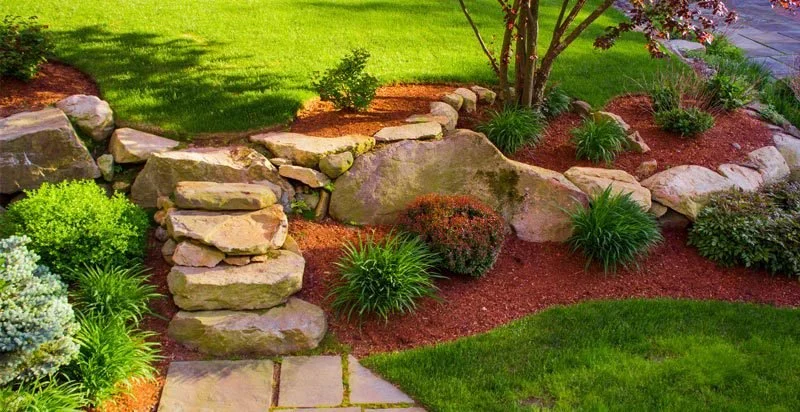
Mulch and Rock Installation in DFW: Which One Does Your Yard Actually Need?
Walk through any established neighborhood in Keller, Southlake, Haslet, Roanoke, or Trophy Club and you will notice that the yards that look the most polished and well-maintained almost always have one thing in common: clean, defined landscape beds with a fresh layer of ground cover that ties the whole property together. Whether it is a deep, rich coat of cedar mulch around shrubs and trees or a clean layer of decorative rock framing a drought-tolerant planting bed, mulch and rock installation is one of the most impactful — and most overlooked — upgrades a DFW homeowner can make to their property.
Most homeowners in the Dallas-Fort Worth area know they need something in their landscape beds. They just are not always sure whether mulch or rock is the right call, how much they need, when to install it, or what the real difference is beyond appearance. This guide answers all of those questions clearly so you can make the right decision for your specific yard — and understand why professional mulch and rock installation produces results that a DIY trip to the hardware store simply cannot match.
Why Ground Cover in Landscape Beds Matters So Much in DFW
Before getting into the specifics of mulch versus rock, it helps to understand why ground cover in landscape beds is so important in the North Texas climate in the first place. This is not just about aesthetics. In the DFW area, what you put in your landscape beds directly affects how your plants survive the summer, how much water your yard needs, and how much time you spend fighting weeds throughout the growing season.
The DFW summer heat is brutal on bare soil. When landscape beds have no ground cover, the bare soil bakes under the Texas sun. Soil temperatures in unprotected beds can climb high enough to stress and damage plant roots during peak summer months. Ground cover — whether mulch or rock — insulates the soil and moderates temperature swings that would otherwise put your plants under significant heat stress from June through September.
Water loss from bare soil is extreme. DFW summers bring extended periods of drought and water restrictions in many North Texas communities. Without ground cover in landscape beds, moisture evaporates from the soil surface rapidly, forcing you to water more frequently to keep plants healthy. A proper layer of mulch or rock dramatically reduces that evaporation, retaining soil moisture and reducing the frequency and volume of irrigation your landscape needs to stay healthy.
Bare soil in DFW is a weed invitation. In North Texas, bare soil in a landscape bed does not stay bare for long. Wind-blown weed seeds find exposed soil and germinate fast, especially during the spring and fall seasons. Once weeds establish in a bed, they compete directly with your plants for water and nutrients. A properly installed layer of mulch or rock is one of the most effective weed suppression tools available to DFW homeowners — blocking sunlight from reaching the soil surface where weed seeds need it to germinate.
Ground cover makes your landscape look finished. Beyond the functional benefits, fresh mulch or clean decorative rock is the detail that makes a landscape bed look intentional and professionally done. Just like a fresh coat of paint transforms the look of a room, properly installed mulch or rock installation transforms the look of landscape beds, makes plant colors pop, and communicates to everyone who sees your property that it is well cared for.
Mulch Installation in DFW: What It Is and Why It Works
Mulch is the most widely recommended ground cover for landscape beds in the DFW area, and for good reason. Organic mulch — the type made from shredded wood, bark, or other plant material — does more than any other ground cover option to support the long-term health of your soil and plants in North Texas conditions.
The benefits of professional mulch installation in DFW include:
Moisture retention. A two to three inch layer of mulch significantly reduces evaporation from the soil surface, keeping roots consistently moist even during extended dry periods. In a climate where DFW homeowners frequently face drought conditions and water restrictions, this is one of the most valuable things mulch installation provides. Plants in properly mulched beds simply need less water than plants in bare or rock-covered beds.
Soil temperature regulation. Mulch acts as an insulating layer between the soil and the sun, moderating ground temperature in both directions. During a DFW summer, mulched beds stay meaningfully cooler than unprotected soil, reducing heat stress on plant roots. During the occasional hard freeze that hits North Texas in winter, that same insulating layer protects roots from cold damage — particularly important for plants like St. Augustine sod and tropical varieties that are sensitive to temperature extremes.
Weed suppression. A quality mulch installation blocks sunlight from reaching the soil surface, preventing most weed seeds from germinating. Combined with proper bed preparation before installation, a well-maintained mulch layer is one of the most effective tools for keeping landscape beds clean throughout the DFW growing season.
Soil enrichment over time. This is where organic mulch outperforms every other ground cover option: as mulch breaks down naturally over time, it decomposes into rich organic material that feeds the soil, improves soil structure, and supports the microbial activity that healthy plant root systems depend on. Every year that your landscape beds are properly mulched, the soil beneath them becomes richer and more supportive of plant health. Rock and decorative gravel cannot do this.
Curb appeal. There is nothing quite like the immediate visual transformation of freshly installed mulch in landscape beds. A fresh coat of quality cedar or hardwood mulch deepens the color contrast around plants and shrubs, makes edges appear sharper and more defined, and gives the entire front of a property a clean, finished look that stands out in any neighborhood.
Types of Mulch for DFW Landscape Beds
Not all mulch performs the same way in North Texas conditions. These are the most common and most effective options for DFW mulch installation:
Cedar Mulch is one of the most popular choices for DFW landscape beds and for good reason. Cedar naturally resists decomposition faster than other wood types, which means it lasts longer between refresh applications — typically three to four years for a quality cedar mulch installation compared to annual replacement for standard hardwood. Cedar also has natural oils that provide some insect-deterrent properties, making it a smart choice for beds close to the foundation of your home.
Hardwood Mulch is the most widely used mulch in DFW residential landscapes. It breaks down at a moderate rate, consistently adding organic matter and nutrients back into the soil. Hardwood mulch needs to be refreshed annually for optimal appearance and soil benefit, but the ongoing soil improvement it delivers makes that refresh worthwhile. It is available in natural, brown, and black dyed varieties — with brown and black being popular choices for homeowners in DFW who want a polished, high-contrast look in their beds.
What to avoid: Low-quality bulk mulch of unknown origin — the kind often sold cheaply in bulk bins or offered free on roadsides — can introduce weed seeds, construction debris, and unwanted materials into your landscape beds. Professional mulch installation uses a sourced, quality product that is consistent, clean, and appropriate for use in landscape beds.
Rock and Decorative Stone Installation in DFW: When It Makes Sense
Decorative rock and gravel are not the right choice for every landscape bed in DFW, but they are the right choice in specific situations — and when used correctly, they create a clean, distinctive look that requires virtually no ongoing replacement.
The benefits of rock installation in DFW include:
Long-term durability. Unlike organic mulch, rock does not decompose and does not need to be replaced on an annual basis. For homeowners who want a permanent ground cover solution that holds its appearance for years without regular refreshing, decorative rock installation is a lower-maintenance option over the long term.
No floating or washing. In areas of your yard where water runoff is a concern — along hardscape edges, at the base of downspouts, around pool decking, or in drainage areas — rock stays in place where mulch would wash or blow away. Decorative rock installation in these specific zones is often the most practical solution for keeping ground cover where it belongs.
Modern and minimalist aesthetic. For homeowners pursuing a contemporary or clean-lined landscape design, decorative rock and gravel offer design flexibility that organic mulch cannot match. River rock, decomposed granite, and crushed limestone are all popular choices across DFW that complement modern landscape design aesthetics beautifully.
Paired with drought-tolerant plantings. Rock installation works best in DFW when it is paired with plants that are adapted to the elevated soil temperatures that rock creates. Drought-tolerant natives like agave, yucca, ornamental grasses, and Texas sage all perform well in rock beds because they are built for hot, dry conditions. Installing rock around plants that prefer consistent moisture and cooler roots is where many homeowners run into trouble.
The important limitation of rock in DFW: Rock raises soil temperature significantly during summer. Dark-colored rocks especially can heat the soil in landscape beds to temperatures that stress or damage the roots of moisture-dependent plants. Rock also provides no soil enrichment benefit — unlike organic mulch, it contributes nothing to soil health over time. For beds with traditional flowering plants and shrubs, mulch is almost always the better choice for long-term plant health in the DFW climate.
Mulch vs. Rock: The Direct Comparison for DFW Homeowners
Understanding which option is right for a specific area of your yard comes down to a few clear questions:
What plants are in the bed? Traditional flowering plants, shrubs, and trees in DFW landscape beds benefit most from mulch installation. The moisture retention, soil enrichment, and temperature moderation that mulch provides directly supports the health of these plants. Drought-tolerant natives, succulents, and ornamental grasses in full sun zones can work well with rock installation.
Where is the bed located? Areas with consistent foot traffic, water runoff, or proximity to a pool or patio are often better suited for rock installation because of its durability and resistance to displacement. Beds along the foundation of the home, around trees, and in primary planting areas are almost always better served by mulch.
What is the aesthetic goal? If you want a natural, lush appearance that makes color and foliage pop, mulch installation is the right choice. If you are pursuing a clean, contemporary look with minimal ongoing maintenance, decorative rock may serve that goal in the right locations.
Are you open to annual maintenance? Mulch installation requires a refresh every one to two years to maintain its appearance and soil health benefits. Rock installation requires minimal ongoing maintenance but offers no soil improvement over time. Many DFW homeowners use both on the same property — mulch in primary planting beds and rock in specific accent or drainage zones — to get the benefits of each material where it performs best.
How Much Mulch or Rock Does Your DFW Yard Need?
The standard recommended depth for mulch installation in DFW landscape beds is two to three inches. Less than two inches and the mulch layer is insufficient to suppress weeds or retain meaningful moisture. More than three inches and you risk creating conditions where excess moisture is retained against plant stems and tree trunks, which can lead to rot and pest problems.
One important installation rule that applies to both mulch and rock: never pile ground cover directly against the trunk of a tree or the base stem of a shrub. Mulch or rock packed against a trunk traps moisture, invites disease, and can cause significant long-term damage to the plant. Always leave a small gap of several inches between ground cover and any plant trunk or stem.
For most DFW homeowners, mulch installation should be refreshed at least once per year — ideally in spring before the heat of summer arrives — to maintain the two to three inch protective layer and keep the aesthetic appearance of beds looking clean and polished. A second refresh in fall is beneficial for homeowners who want to maintain maximum soil protection through the winter months and set their landscape beds up for a strong spring.
Why Professional Mulch and Rock Installation Matters
Hauling mulch in a wheelbarrow and spreading it by hand is one of those tasks that looks simple and becomes exhausting quickly — especially under the DFW summer sun. Beyond the physical demand, proper mulch and rock installation requires even depth across the entire bed, clean separation from turf and plant stems, consistent quality material, and correct preparation of the bed surface before installation begins. These details matter for both the appearance and the performance of the finished product.
At Lone Star Mow Co, our mulch and rock installation service covers the full process — bed preparation, quality material, even application at the correct depth, and clean finishing that makes your landscape beds look exactly the way they should. We serve homeowners across Keller, Southlake, Haslet, Saginaw, Roanoke, Trophy Club, Justin, Northlake, Rhome, Boyd, Azle, and Lake Worth with mulch and rock installation that delivers real curb appeal and real soil health benefits on every job.
Whether you need a full property refresh, a targeted bed upgrade, or guidance on whether mulch or rock is the right call for a specific area of your yard, Lone Star Mow Co has the expertise and the work ethic to get it done right.

Ready to refresh your landscape beds with professional mulch or rock installation?
Lone Star Mow Co handles mulch and rock installation for homeowners across the DFW area. Let us assess your beds, recommend the right materials, and deliver a finished result that makes your entire property look better from the street.

Ready to Transform Your property?

Find Us On


