

Nutsedge in North Texas Lawns: The Weed That Laughs at Most Homeowners' Attempts to Kill It
Nutsedge in North Texas Lawns: The Weed That Laughs at Most Homeowners' Attempts to Kill It
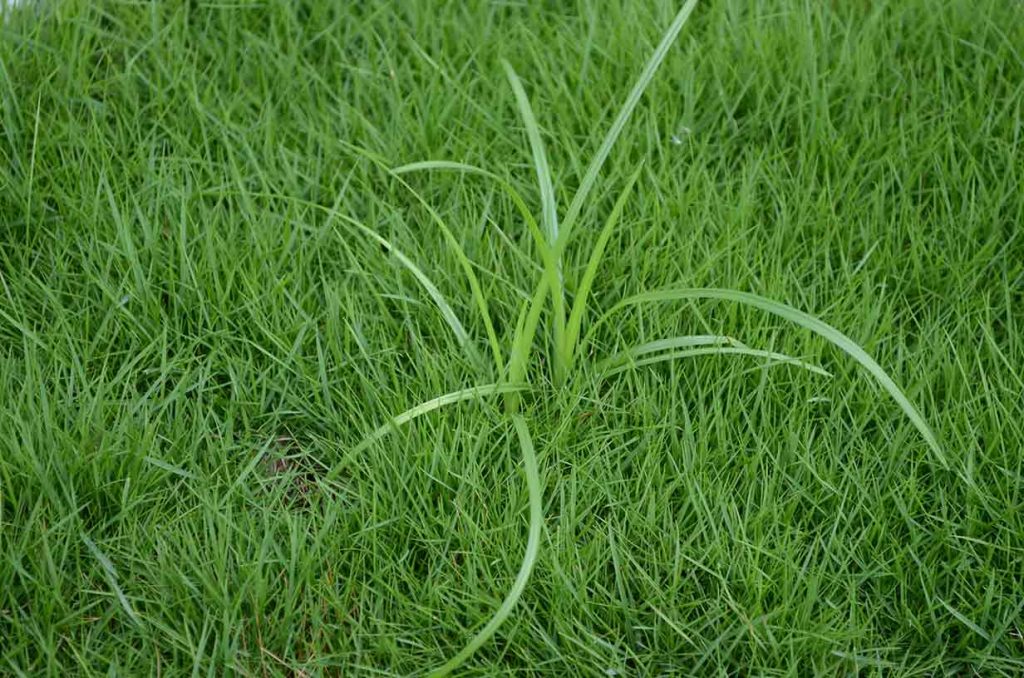
Yellow nutsedge is not a weed that most North Texas homeowners initially recognize as anything other than grass. It looks like grass. It grows among grass. It is mowed along with grass. The first indication most homeowners have that something is wrong is noticing that certain areas of the lawn seem to green up earlier than the surrounding turf — and that the "grass" in those areas stands taller than the surrounding lawn a day after mowing, giving the lawn a patchy, uneven appearance that persists through the growing season regardless of how frequently the lawn is mowed.
That accelerated growth, the ability to outpace Bermuda and St. Augustine in height between mowing visits, is the most visible characteristic of yellow nutsedge. And it is one of the reasons that nutsedge is among the most difficult weeds to manage in warm-season lawns — not because it is impossible to kill, but because the approaches most homeowners take when they encounter it are not just ineffective but actively counterproductive.
This blog covers nutsedge in North Texas lawns — what it is, why it is so difficult to control, which approaches make the problem worse rather than better, and what actually produces meaningful, lasting management.
What Nutsedge Is and Why It Is Different from Regular Weeds
Yellow nutsedge (Cyperus esculentus) is not actually a grass — it is a sedge, a plant family that is superficially similar to grasses but is biologically distinct. The most reliable field identification feature is the stem cross-section: sedge stems are triangular in cross-section (the old rhyme — "sedges have edges" — refers to this characteristic). Grass stems are round or flat. Nutsedge blades are also typically lighter green and more waxy than most warm-season grass blades, and the leaves emerge from the base in three ranks rather than the two ranks of true grasses.
The biological feature that makes nutsedge uniquely difficult to manage is its underground reproductive system. Unlike annual weeds that reproduce primarily from seed, nutsedge reproduces primarily through underground tubers called nutlets — small, starch-filled storage organs attached to the ends of underground rhizomes. Each established nutsedge plant produces these nutlets prolifically through the growing season, with a single plant potentially producing dozens of nutlets that each have the capacity to produce a new independent plant.
These nutlets are not affected by the approaches that control most North Texas lawn weeds. Pre-emergent herbicide — the cornerstone of professional weed control programs — prevents seed germination but has no effect on nutlet sprouting. The nutlets are already in the soil, already viable, and will sprout regardless of pre-emergent applications. This is why nutsedge appears in lawns despite comprehensive pre-emergent programs that effectively control crabgrass, spurge, and other annual weeds.
Why Pulling Nutsedge Makes It Worse
This is the point that surprises most homeowners who encounter nutsedge for the first time: hand-pulling nutsedge is not just ineffective — it actively spreads the population and worsens the problem over time.
When a nutsedge plant is pulled from the soil, the nutlets attached to the underground rhizome network do not come up with the plant. The physical force of pulling the above-ground plant breaks the rhizome at the soil surface, leaving the nutlet-bearing network in the soil below. More significantly, the breaking of the rhizome connection to the parent plant removes the growth suppression that the established plant exerted on the nutlets through hormonal signaling. Each nutlet that was previously dormant under hormonal suppression from the parent plant now receives the signal that the parent is gone — and each one has the capacity to sprout a new independent plant.
The practical result is that pulling nutsedge from a lawn consistently produces more nutsedge plants in the following weeks than were present before the pulling — sometimes significantly more, as a single pulled parent plant releases multiple nutlets that each produce new growth. Homeowners who aggressively hand-weed nutsedge through a growing season consistently have larger, more distributed nutsedge populations by fall than homeowners who do not pull at all.
The counterintuitive correct response is to stop pulling and start treating with the appropriate herbicide products.
What Actually Controls Nutsedge
Effective nutsedge control requires herbicide products specifically labeled for nutsedge — and this specificity matters because most broadleaf herbicides and many general-purpose lawn herbicides have no effect on nutsedge. Applying the wrong product to nutsedge produces no result except wasted time and money.
Halosulfuron-methyl (sold under brand names including Sedgehammer and others) is among the most effective and most commonly used professional nutsedge control products. It is a selective herbicide that controls nutsedge in warm-season lawns without damaging Bermuda, St. Augustine, or Zoysia when applied correctly. It is translocated through the plant into the root system and nutlet network, providing control of the underground reproductive structures rather than just killing the above-ground tissue.
Sulfentrazone (sold under brand names including Dismiss and others) is another effective product for nutsedge control in warm-season lawns, with a different active ingredient chemistry that provides an alternative when repeated applications of halosulfuron-methyl have reduced effectiveness due to resistance concerns.
Several critical application notes apply to any nutsedge herbicide treatment:
Timing matters significantly. Nutsedge is most susceptible to herbicide translocation when it is actively growing and producing new above-ground tissue — the spring through early summer period when soil is warm and nutsedge is growing aggressively. Applications made when nutsedge is stressed from heat or drought show reduced efficacy.
Multiple applications across a growing season are required for meaningful population reduction. A single application kills the existing plants but does not address all the nutlets in the soil — subsequent applications address the new plants that sprout from those nutlets. Two to three applications at three to four week intervals through the growing season produce more lasting population reduction than a single spring application.
Results are not immediate. Nutsedge treated with halosulfuron-methyl typically shows yellowing and decline over one to three weeks following application — it does not die overnight. Patience between treatment applications is necessary to allow the herbicide to move through the plant and nutlet system completely.
Conditions That Encourage Nutsedge
Understanding what creates favorable conditions for nutsedge helps homeowners recognize their specific vulnerability and make management decisions accordingly.
Drainage problems and overwatering are the primary site condition factors that create nutsedge-favorable environments. Yellow nutsedge thrives in moist to wet soil conditions — it is a plant of riverbanks and wet meadows in its native habitat, and it establishes and spreads most aggressively in lawn areas that receive more moisture than well-drained soil would hold. Areas where irrigation runs long, where the grade directs water to collect, or where clay soil holds moisture longer than adjacent areas are the locations where nutsedge populations establish and expand most rapidly.
This is one reason that professional nutsedge management cannot be considered in isolation from the broader maintenance program. A lawn with drainage problems that create persistently moist conditions in specific zones will continue producing nutsedge in those zones regardless of how many herbicide applications are made, because the underlying site conditions that favor nutsedge are not being addressed. Lawn leveling that corrects the drainage pattern, combined with the nutsedge control program, addresses both the symptom and the contributing cause.
Thin turf and bare soil create the germination and establishment opportunities that nutsedge exploits. Dense, healthy turf that covers the soil surface completely provides competitive pressure that limits nutsedge establishment — not because the grass physically blocks it, but because the light, moisture, and space competition from a dense turf makes it harder for nutsedge to establish the vigorous growth that defines an out-of-control population. Maintaining the healthy, dense turf that comes from correct mowing height, annual aeration, and appropriate fertilization is a supporting strategy for nutsedge management that reduces the rate of establishment in areas where the population has been reduced through herbicide treatment.
How Lone Star Mow Co Approaches Nutsedge
Lone Star Mow Co's lawn maintenance programs are built around the consistent service quality that supports healthy, dense turf — which is the foundation condition that makes nutsedge management most effective. Correct mowing height, annual aeration and topdressing, professional bed cleanouts that prevent nutsedge establishment in bed areas from spreading to the adjacent turf, and the regular property monitoring that identifies emerging nutsedge pressure early rather than after a population has established across large areas.
For clients with nutsedge problems, we identify the specific locations of nutsedge pressure, assess the site conditions contributing to the problem, and recommend the herbicide treatment program appropriate for the specific population density and site conditions. We do not pull nutsedge from clients' lawns — because we understand that pulling produces worse results than treating, and because our service is built around doing the right thing for the property rather than the action that produces the appearance of activity without the substance of results.

Nutsedge in your lawn refusing to respond to everything you've tried? Lone Star Mow Co knows what actually works — and it's not pulling.
Schedule your free consultation today. We serve Keller, Southlake, Haslet, Saginaw, Roanoke, Trophy Club, and the surrounding communities.

Ready to Transform Your property?

Find Us On


