


Post-Ice-Storm Lawn and Tree Damage Cleanup in North Texas
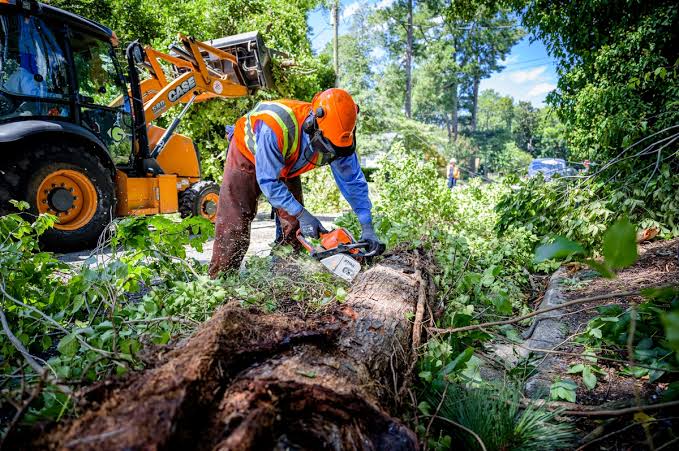
So an ice storm just came through Keller, Southlake, or wherever you are in North Texas, and your yard looks like it took a genuine beating, broken branches scattered across the lawn, ice-damaged shrubs bent in directions they shouldn't bend, and possibly larger limbs down that need more than a rake and a Saturday afternoon to address. North Texas doesn't get ice storms every year, but when we do, the damage is real, and how cleanup gets handled in the days and weeks afterward affects both your property's immediate appearance and your lawn and landscaping's health for the season ahead.
This guide breaks down what proper post-ice-storm cleanup actually involves, why timing matters more than homeowners often realize, what it costs, and what separates a thorough cleanup from one that leaves hidden problems for spring.
Why Ice Storm Damage Is Different Than Routine Storm Cleanup
Wind and rain storms, common throughout a North Texas year, typically leave behind loose debris, fallen leaves, small broken twigs, that a standard maintenance visit handles without much additional consideration. Ice storms are genuinely different, since accumulated ice weight causes structural damage to trees and shrubs that a simple debris pickup doesn't address, broken limbs still partially attached, split branch unions, and bent or crushed shrub structure that needs actual corrective attention, not just cleanup.
What Proper Post-Ice-Storm Assessment Actually Involves
Tree damage assessment identifies not just obviously broken limbs on the ground, but partially broken branches still hanging in the canopy, sometimes called "hangers," that present genuine safety risk if they fall later, along with split branch unions that may need to be properly pruned back to prevent further tearing damage to the tree.
Shrub and hedge damage assessment evaluates whether ice-bent branches will recover on their own once weight is removed, or whether they've suffered actual structural damage requiring corrective pruning to restore proper shape and prevent long-term disfigurement of the plant.
Turf assessment beneath heavily damaged trees checks for compaction or smothering from extended debris coverage, since a significant limb or heavy branch left on the lawn for an extended period can damage the grass beneath it even after the debris itself is removed.
Why Timing Matters for Both Safety and Lawn Health
Prompt removal of hanging or partially broken limbs reduces genuine safety risk, since these hangers can fall unpredictably, sometimes well after the storm itself has passed, once wind or additional weight dislodges them.
Prompt debris removal from turf areas prevents extended smothering damage to grass beneath fallen branches and accumulated debris, since North Texas grass, even during dormant winter periods, can be damaged by extended coverage that blocks light and traps moisture against the crown.
Corrective Pruning for Storm-Damaged Trees and Shrubs
Proper pruning technique for storm-damaged limbs makes clean cuts back to healthy wood or an appropriate branch union, rather than simply snapping off broken sections, since improper pruning cuts create larger wounds and slower healing than a clean, correctly placed cut.
Shrub reshaping after ice damage addresses bent or broken branches with corrective pruning that restores the plant's intended form, an important step since ice-damaged shrubs left unaddressed often develop permanently asymmetrical or disfigured growth patterns as they recover.
Why Some Damage Requires Arborist-Level Assessment
Significant structural damage to larger trees, particularly damage affecting the main trunk or major scaffold branches, sometimes warrants a certified arborist's assessment beyond what standard lawn and landscape cleanup addresses, especially when a tree's long-term structural integrity or safety is in question.
What Post-Ice-Storm Cleanup Costs in North Texas
Standard residential post-storm cleanup, covering debris removal, minor corrective pruning, and lawn debris clearing for a typical suburban property, typically runs $200 to $600 depending on damage extent and property size.
More significant damage requiring extensive corrective pruning across multiple trees and shrubs, or properties with substantial larger limb removal needed, typically runs $600 to $1,500 or more depending on scope.
What the Cleanup Process Looks Like
Step 1: Full Property Damage Assessment. Every tree, shrub, and turf area is evaluated for both visible debris and less obvious damage like hanging limbs or bent shrub structure.
Step 2: Hazard Removal First. Any hanging or partially broken limbs presenting genuine safety risk are addressed first, before general debris cleanup begins.
Step 3: Debris Collection and Removal. Fallen branches, twigs, and general debris are collected and hauled off the property rather than simply piled somewhere out of sight.
Step 4: Corrective Pruning. Trees and shrubs with bent, split, or damaged structure receive proper corrective pruning to restore healthy form and prevent further damage.
Step 5: Turf Inspection and Recovery Planning. Any areas where extended debris coverage may have affected the lawn are inspected, with recovery steps recommended if needed once the growing season resumes.
5 Questions to Ask Before Hiring Post-Storm Cleanup
1. Do you assess for hanging limbs, not just debris on the ground? This is a genuine safety consideration that basic cleanup services sometimes overlook.
2. Will corrective pruning be included, or is this purely debris removal? These are different scopes, and knowing which you're getting matters.
3. How do you determine if damage needs an arborist's assessment? A contractor should recognize when damage exceeds standard lawn care scope.
4. Is debris hauled off, or will I need to arrange separate disposal? This affects both your cost and how quickly your property looks recovered.
5. Will you check on affected turf areas once the growing season starts? Extended debris coverage can affect grass in ways that aren't obvious until spring.
Lone Star Mow Co: Ready When North Texas Weather Isn't
At Lone Star Mow Co, post-storm cleanup is part of how we support the North Texas properties we maintain year-round, not a separate, unfamiliar service we're figuring out as we go. We assess for genuine safety hazards first, provide proper corrective pruning rather than just debris pickup, and make sure your property is fully recovered before the next season begins.
We are proud of the standard we bring to the North Texas homeowners we serve across Keller, Southlake, Haslet, Saginaw, Roanoke, Trophy Club, and the surrounding communities.

Dealing with ice storm damage on your North Texas property? Schedule your free consultation today.
Schedule Your Free Consultation Today → lonestarmowco.com/contact-us

Ready to Transform Your property?

Find Us On


