

Seasonal Color in North Texas Landscapes: Annual Plantings That Work in This Climate
Seasonal Color in North Texas Landscapes: Annual Plantings That Work in This Climate
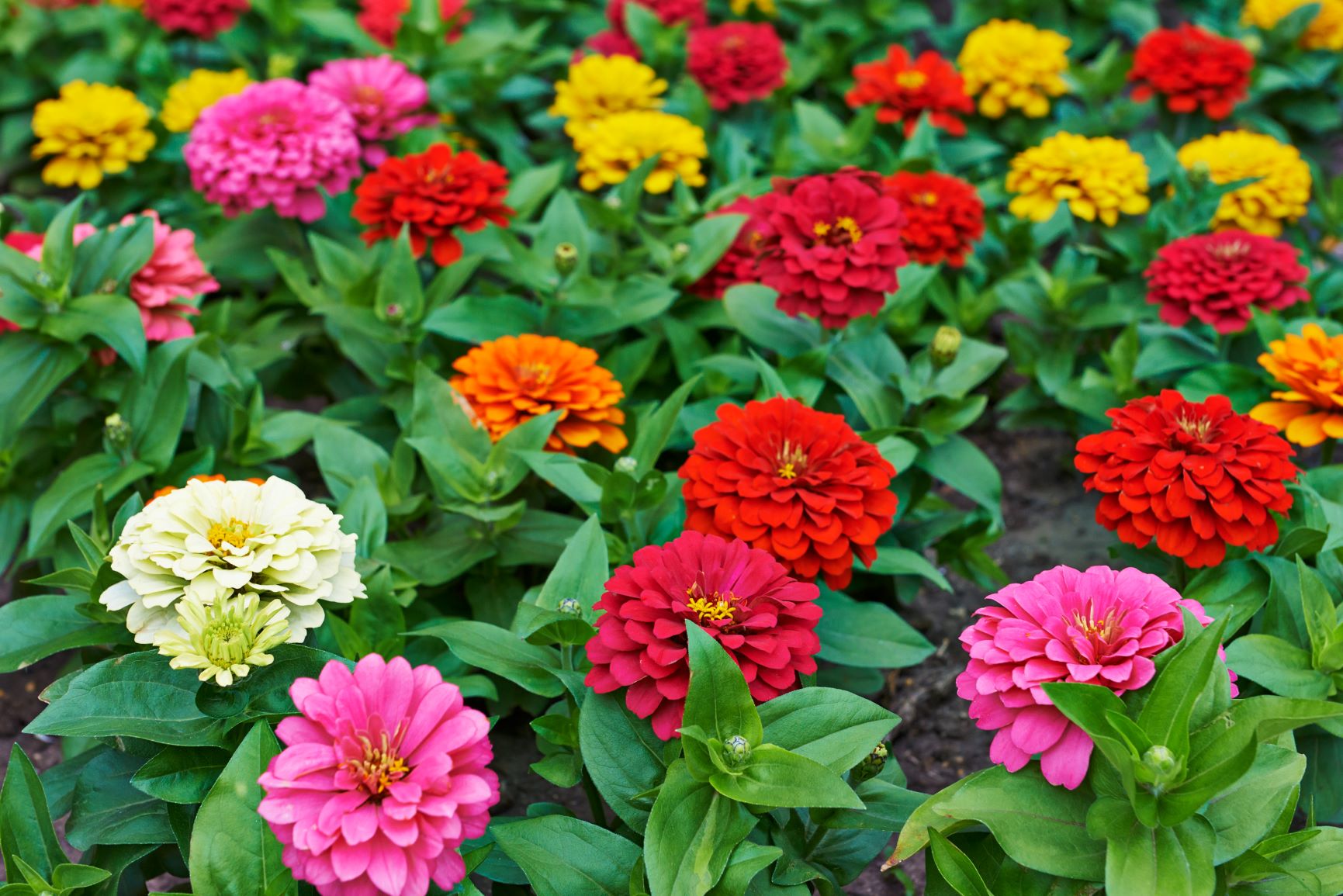
The permanent structure of a North Texas landscape — the established trees, the foundation shrubs, the ornamental grasses — provides the year-round framework that professional maintenance maintains and builds over time. Seasonal color from annual plantings is the dynamic element that adds the changing, vibrant presence that perennials and shrubs cannot always provide through the full calendar.
But seasonal color in North Texas requires species selection calibrated to this climate's specific demands — the annual plants that perform in the mid-Atlantic or the Pacific Northwest often fail in the Texas summer heat. And the timing of annual installations matters as much as the species selection.
This blog covers the annual species that reliably provide seasonal color in North Texas landscapes, organized by the season when they perform, with honest notes on which commonly sold annuals disappoint in this climate's conditions.
Spring Annuals (March–May Performance)
Petunias are among the most reliably beautiful spring annuals for North Texas. Planted in late February or early March, petunias produce abundant bloom through spring before the heat of June begins to stress them. Wave petunias and other spreading varieties provide ground-cover-level bloom spread in beds. Upright varieties provide mid-height color. The key is timing — petunias planted at the right time (late February to early March) and replaced before they struggle in late May or early June provide dramatic spring color impact.
Snapdragons are a cool-season annual that performs in the cool nights of North Texas spring in a way that the hot summer does not support. Planted in February, they bloom through April and May. The specific climate window for snapdragons is narrower than for petunias — they are a genuine spring-only option that should not be expected to continue into summer.
Dianthus provides reliable spring color and handles the cool nights of early North Texas spring well. Both annual and biennial dianthus varieties produce abundant color through spring with modest care requirements.
Pansies are the quintessential winter-to-spring annual for North Texas — installed in fall and blooming through winter and early spring. Their cold tolerance is genuine; they can survive light freezes that would kill warm-season annuals. They decline rapidly as temperatures exceed 80 degrees, making them a spring-to-late-spring annual rather than a summer annual in this climate.
Summer Annuals (June–September Performance)
Summer annual selection for North Texas requires honest acknowledgment of the climate's demands: sustained heat above 90 degrees for months, intense full sun in exposed beds, and the irrigation requirement that summer blooming plants need to sustain through dry periods.
Vinca (Catharanthus roseus) is the single most heat-tolerant flowering annual for North Texas landscape beds. It handles direct full-sun exposure and the sustained triple-digit temperatures of July and August with less distress than nearly any other annual option. Its colors range across the spectrum from white through pink, red, and purple. Vinca installed in late April or May provides continuous color through October with minimal care beyond adequate irrigation. It is the professional standard for summer color in full-sun North Texas beds for good reason.
Moss verbena (Verbena tenuisecta) performs well in hot, dry North Texas summer conditions with lower water requirements than most other summer annuals. Its fine-textured foliage and lavender to purple flowers provide texture variety in beds where Vinca provides the primary color.
Pentas (Pentas lanceolata) provide summer color with significantly better heat tolerance than many summer annuals and have the additional benefit of being a preferred nectar source for butterflies and hummingbirds. Red and pink varieties perform most robustly in this climate.
What underperforms in North Texas summer: Impatiens — which are shade summer annuals that collapse under the combination of heat and direct sun common in many North Texas beds — are the most consistent disappointment for homeowners who install them hoping for summer-long color. Impatiens require genuine shade and consistent moisture; they are not a full-sun summer annual for this climate.
Fall Annuals (October–November Performance)
Ornamental kale and cabbage installed in October provide textural interest through fall and into winter, tolerating light frosts that would kill warm-season annuals and providing color interest through the dormancy period when other plants have lost their summer character.
Marigolds installed in early fall — September — provide fall color before the first frost ends their season. They are less heat-stressed in September than they would be in June, and their warm orange and yellow tones have visual resonance with the fall color palette of deciduous trees.
How Lone Star Mow Co Incorporates Seasonal Color
Lone Star Mow Co's landscape design and installation service incorporates seasonal annual color plantings for clients where the landscape program includes this element. Installation timing, species selection for the specific climate window, and the transition management between seasonal plantings — pulling spent spring annuals before they become an eyesore and installing summer replacements before the beds look unoccupied — are part of the complete landscape maintenance program we provide for clients where seasonal color is a priority.
The specific bed conditions of each property — sun exposure, soil quality, available irrigation — determine which seasonal color options are appropriate. We do not install impatiens in full-sun beds and then leave homeowners with the frustration of watching them struggle. We install the species that the specific bed conditions support — and we are transparent about what those conditions support versus what they do not.

Want seasonal color in your North Texas landscape that actually performs through the season it's planted for?
Lone Star Mow Co provides landscape installation with climate-appropriate species selection for homeowners across Keller, Southlake, Haslet, Saginaw, Roanoke, and Trophy Club. Schedule your free consultation today.

Ready to Transform Your property?

Find Us On


