


The Difference Between a Lawn That Looks Good and a Lawn That Is Good
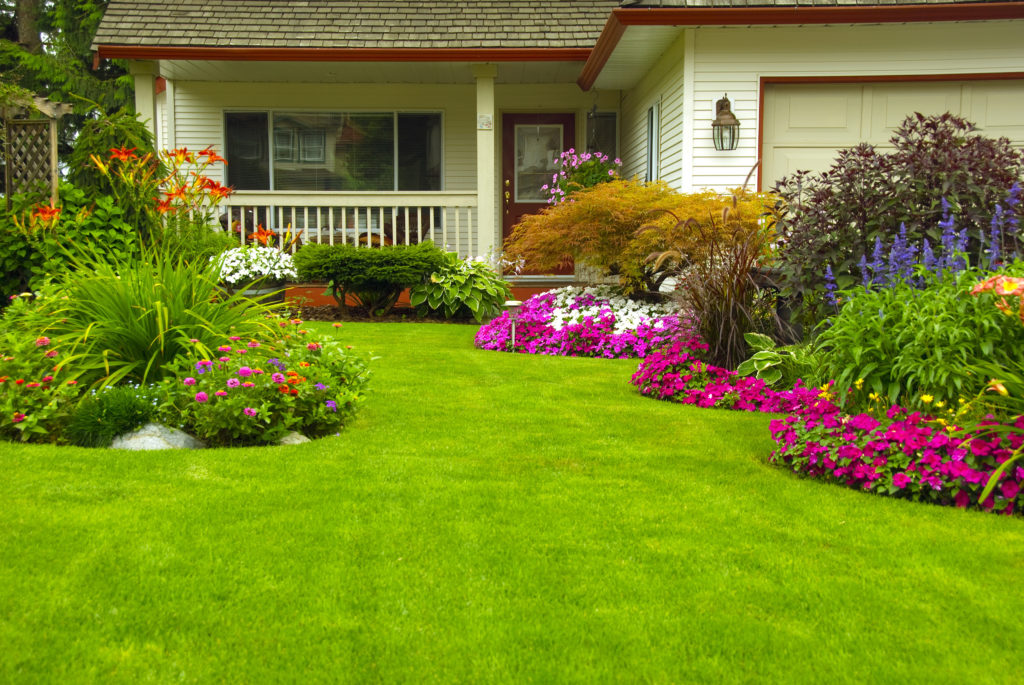
The Difference Between a Lawn That Looks Good and a Lawn That Is Good
There is a distinction in lawn care that most homeowners never encounter and most lawn care companies never explain: the difference between a lawn that looks good and a lawn that genuinely is good.
Looking good is achievable through surface-level maintenance alone. Mowing at a reasonable height, maintaining reasonably clean edges, keeping visible weeds under control, and providing adequate irrigation produces a lawn that presents acceptably well from the street and does not embarrass anyone at a backyard gathering. Many North Texas lawns across Keller, Southlake, Haslet, and the surrounding communities are at this standard — maintained well enough to look fine, but not managed in a way that builds the genuine soil health, root depth, and turf density that constitutes a lawn that is actually thriving.
A lawn that is genuinely healthy looks good — but it does more. It recovers from summer stress faster than neighboring lawns. It resists weed establishment more effectively because the turf density leaves fewer gaps for weeds to exploit. It responds more vigorously to spring green-up because the root energy reserves were built correctly through the previous fall. It requires less reactive treatment for disease and pest problems because healthy, deep-rooted turf has intrinsic resistance that shallow-rooted, soil-depleted turf does not.
The gap between these two standards is the gap between surface maintenance and genuine lawn care — and this blog explains what creates it and how to close it.
What Surface-Level Maintenance Achieves and What It Misses
Surface maintenance — mowing, edging, trimming, and basic weed control — addresses everything visible from above the soil surface. Done correctly and consistently, it produces a lawn that looks professionally maintained. Done incorrectly, it can actively harm the grass while still producing acceptable surface appearance.
What surface maintenance does not address is what is happening in the soil: the compaction that limits water infiltration and root depth, the organic matter deficit that reduces moisture retention and nutrient availability, the biological inactivity that slows the decomposition and nutrient cycling processes the grass depends on, and the thatch accumulation that creates the hidden barrier between the grass and the soil resources it needs.
A lawn with severely compacted soil, low organic matter, and significant thatch can look reasonably maintained at the surface while performing significantly below its potential in every measurable way — drought tolerance, disease resistance, pest pressure, weed competition, and recovery speed. The surface appearance tells homeowners the lawn is fine. The soil tells a different story.
What Genuine Lawn Health Actually Requires
Root depth produced by correct watering and mowing technique. The deep root architecture — six to eight inches or more in a well-managed Bermuda lawn — that produces the drought tolerance and stress resilience characteristics of a genuinely healthy lawn comes from the irrigation approach described in the watering blog: deep and infrequent applications that drive roots to follow moisture deeper into the soil profile. Mowing at the correct height maintains the shoot-to-root ratio that supports vigorous root extension. These technique decisions compound over the growing season into the root depth that determines how the lawn performs under stress.
Soil biology built through annual aeration and topdressing. The microbial community in the soil — the bacteria, fungi, and other organisms that process organic material, support disease resistance, and maintain soil structure — is built through the consistent soil health practices described in the aeration and topdressing blog. Annual aeration that opens the soil for oxygen and microbial activity, combined with quality topdressing material that introduces and feeds that biological community, builds a soil environment that supports genuine turf health over time rather than simply providing the mineral substrate that surface growth requires.
Managed thatch that does not block the soil connection. Thatch at appropriate levels — under half an inch — is neutral to positive for turf health. Thatch that has accumulated beyond the threshold where it blocks soil connectivity — the water infiltration, oxygen exchange, and root-soil contact that the grass depends on — is a genuine health limitation regardless of how good the surface looks. Annual aeration management keeps thatch in the range where it helps rather than hinders.
Correct nutrient availability through appropriate fertilization. A lawn receiving high-nitrogen quick-release fertilization that produces rapid green color and fast growth at the expense of root development is not being managed for genuine health — it is being managed for appearance at the cost of the root architecture that health requires. Correct fertilization — appropriate rates, correct timing relative to soil temperature, slow-release products that support steady growth rather than flush-and-decline cycles — supports genuine plant health rather than just optimizing surface color.
How to Tell Whether Your Lawn Is Genuinely Healthy
Several diagnostic assessments help homeowners evaluate whether their lawn is performing at a genuinely healthy standard or merely looking acceptable at the surface.
The screwdriver test for root depth. Push a standard screwdriver into the lawn surface after a rainfall or irrigation event. In a lawn with adequately deep roots and good soil moisture penetration, the screwdriver passes through four to six inches of moist soil before meeting resistance. In a lawn with shallow roots and poor soil penetration, it meets firm resistance after two to three inches. The depth of easy penetration approximates the depth at which adequate moisture is available in the soil — and correlates directly with how deep the root system has developed.
The stress response test. A genuinely healthy lawn shows stress symptoms from heat or drought significantly later than a surface-maintained but soil-compromised lawn receiving identical irrigation. If your lawn shows wilt symptoms within thirty-six to forty-eight hours of the last irrigation event during hot weather, the root system is shallow and the soil is retaining little moisture. A lawn with deep roots and adequate soil organic matter should hold adequate moisture for three to four days between irrigation events during moderate summer conditions.
The green-up comparison. Compare your lawn's spring green-up timing and uniformity to adjacent comparable lawns. A lawn with strong fall nutrition and deep root reserves should show early, uniform green-up — typically appearing green two to three weeks earlier than spring averages. A lawn with depleted fall nutrition and shallow roots shows late, patchy green-up that requires more spring management to reach an acceptable standard.
The disease frequency assessment. A genuinely healthy lawn with deep roots, good soil biology, and appropriate soil moisture management shows disease symptoms significantly less frequently than a comparable lawn with the surface appearance characteristics of maintenance without the soil health underneath. If your lawn has had recurrent brown patch, chinch bug, or other pest and disease problems despite consistent treatment, inadequate soil health is often a contributing factor that makes the lawn more susceptible than it should be.
The Investment Case for Genuine Health vs. Surface Maintenance
Surface maintenance alone — mowing, edging, basic weed control — costs a known amount per season. Adding the soil health components — annual aeration, topdressing, correct fertilization — adds to that cost. The question is whether the additional investment produces value that justifies itself.
The value is measurable in several ways. Reduced reactive treatment costs — less disease treatment, less pest control, less restoration after stress events — offset some of the proactive investment. Better drought performance during summer water restrictions means adequate turf quality from fewer irrigation cycles. Faster recovery from weather events and seasonal transitions means the lawn spends more of the year looking its best and less time in the declining-and-recovering cycle that surface maintenance without soil health produces.
The less quantifiable but genuinely real value is the property quality difference between a lawn that merely looks maintained and one that is genuinely thriving. The properties that consistently draw admiring attention in any North Texas neighborhood are not the ones receiving minimum-standard surface maintenance — they are the ones where the complete program, soil health included, has been building genuine turf quality year after year.
Lone Star Mow Co's service programs are built to deliver genuine health, not just surface maintenance. The aeration and topdressing, the correct mowing technique, the professional property monitoring that identifies problems before they become expensive — these are the components that build the lawn that is actually good, not just the one that looks acceptable.

Ready to build a North Texas lawn that is genuinely healthy — not just well-maintained at the surface?
Lone Star Mow Co delivers the complete soil health and professional maintenance program for homeowners across Keller, Southlake, Haslet, Saginaw, Roanoke, and Trophy Club. Schedule your free consultation today.

Ready to Transform Your property?

Find Us On


