

The Psychology of the Well-Maintained Lawn: Why Outdoor Property Condition Affects How You Feel at Home
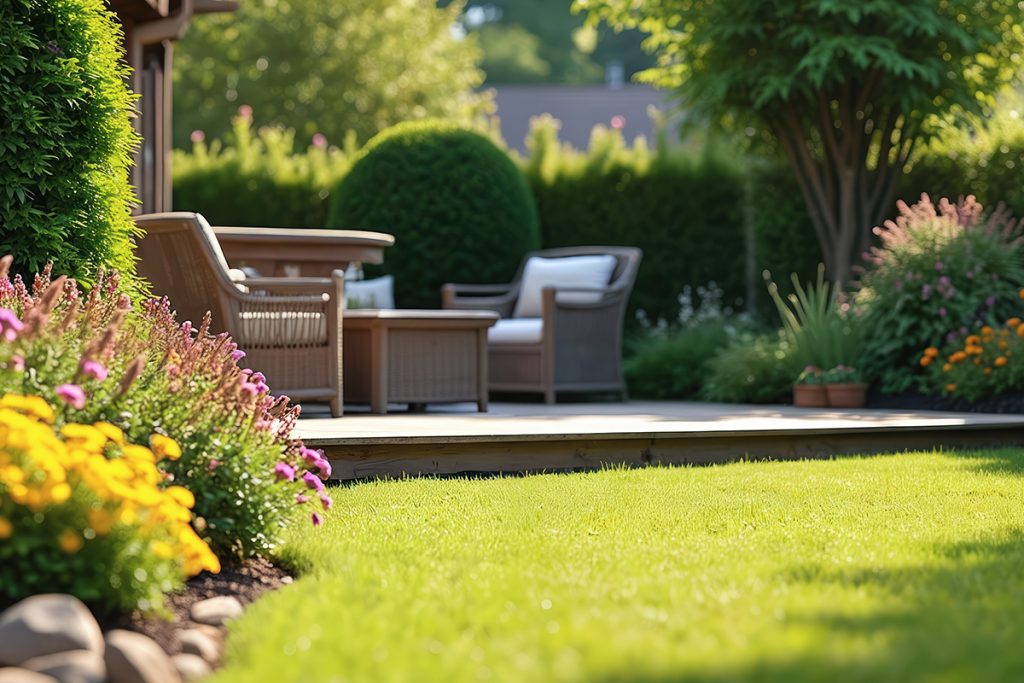
The Psychology of the Well-Maintained Lawn: Why Outdoor Property Condition Affects How You Feel at Home
There is a moment that homeowners who invest in professional lawn care often describe — the moment they pull into their driveway after a maintenance visit and see the fresh-cut, clean-edged, well-maintained property before them. The emotional response is not just aesthetic appreciation. It is something closer to satisfaction, relief, and a quiet pride that is difficult to articulate precisely but is immediately recognizable.
This response is not trivial or subjective in the dismissive sense of the word. Research in environmental psychology, public health, and architecture consistently documents the relationship between outdoor green space quality and the wellbeing of the people who live adjacent to it — across measures of stress, mood, attention restoration, and overall life satisfaction.
This blog explores that connection — not as a marketing claim but as a genuine, research-supported dimension of the investment in professional lawn and landscape care that homeowners across Keller, Southlake, Haslet, and Saginaw make.
The Restoration Effect of Well-Maintained Green Space
Attention Restoration Theory, developed by environmental psychologists Rachel and Stephen Kaplan in the 1980s and extensively documented since, proposes that natural environments provide a type of restorative psychological experience that built and managed environments do not — specifically by providing what the Kaplans call "soft fascination": the low-demand, pleasantly engaging kind of attention that natural visual environments (trees, grass, water, plants) effortlessly produce, in contrast to the "directed attention" that work, digital environments, and urban built environments require.
The application to residential landscapes is direct: the homeowner who comes home to a well-maintained lawn and landscape has immediate access to the restorative quality of a green, living outdoor environment. The homeowner who comes home to a neglected, overgrown, or poorly maintained outdoor property sees the opposite — not the restorative quality of a natural environment but the stimulating, slightly stressful signal of deferred maintenance and visual disorder.
This is not a small effect. Studies of residential satisfaction consistently show that outdoor property condition is among the top predictors of homeowner satisfaction — not behind the kitchen remodel or the bathroom renovation, but alongside them. The lawn and landscape that greets the homeowner every day upon arrival at home is part of the daily experience of that home in a way that the interior spaces that are only experienced after entry cannot match.
The Outdoor Use Barrier: How Lawn Quality Affects Outdoor Living
A practical dimension of lawn and landscape condition that homeowners sometimes underestimate is the relationship between outdoor property quality and outdoor space use.
Research consistently shows that homeowners use their outdoor spaces more frequently and for longer periods when those spaces are well-maintained than when they are neglected. This finding is intuitive once articulated — a patio surrounded by weedy, poorly maintained beds with a thin, irregular lawn does not invite extended outdoor use — but it has practical implications for how homeowners should think about their outdoor property investment.
The outdoor living investment — the patio, the outdoor kitchen, the fire pit — delivers its full value when it is set in a well-maintained landscape that makes the outdoor environment pleasant to be in. The same outdoor living features surrounded by a neglected landscape deliver a fraction of their potential use and enjoyment because the visual context of neglect undermines the quality of the outdoor experience.
This is why the consistent observation from homeowners who transition to professional lawn care is not just "my lawn looks better" but "we use our backyard so much more now." The maintained outdoor environment becomes an extension of the home's living space rather than an obligation to be managed or avoided.
The Stress-Reduction Dimension
The stress reduction effects of natural environments are among the most robustly documented findings in environmental psychology. Cortisol (stress hormone) levels decline measurably in natural settings compared to built environments. Blood pressure and heart rate show similar patterns.
The residential landscape application is that time spent in a well-maintained, green, living outdoor environment at home has genuine stress-reduction effects — the after-work garden walk, the morning coffee on the patio, the children playing on a healthy lawn — that accumulate as a meaningful contribution to the household's overall wellbeing.
This effect is not available in equal measure from a neglected outdoor environment where the dominant experience of the space is the ongoing visual reminder of deferred maintenance. The restorative quality of a natural environment depends on that environment having the ordered, healthy, well-maintained characteristics that signal safety and habitual benefit — the same characteristics that professional lawn care produces.
The Investment Reframe: Outdoor Property as Wellbeing Infrastructure
The practical implication of the psychological research is a reframe of the professional lawn care investment that many homeowners find useful: from an expense that keeps the property looking acceptable to an investment in the daily quality of life at home.
The well-maintained lawn and landscape that greets you daily, that you can walk through and sit in without aesthetic discomfort, that makes the outdoor spaces of your home genuinely inviting rather than obligation-inducing — this is not a luxury. It is the infrastructure that makes your home fully functional as a living environment rather than just a structure to return to at the end of the day.
Lone Star Mow Co provides professional lawn care and landscape maintenance across Keller, Southlake, Haslet, Saginaw, Roanoke, and Trophy Club — and the homeowners we serve experience this dimension of the investment alongside the more easily quantified benefits of property value and curb appeal. The connection between a well-maintained outdoor environment and a higher quality of daily life at home is real, documented, and present every time you pull into a driveway that reflects professional care.

Ready to invest in the outdoor property that makes coming home feel the way it should?
Lone Star Mow Co provides professional lawn care and landscape maintenance for homeowners across Keller, Southlake, Haslet, Saginaw, Roanoke, and Trophy Club. Schedule your free consultation today.

Ready to Transform Your property?

Find Us On


