

Tree and Shrub Installation in DFW: The Complete Homeowner's Guide
Tree and Shrub Installation in DFW: The Complete Homeowner's Guide
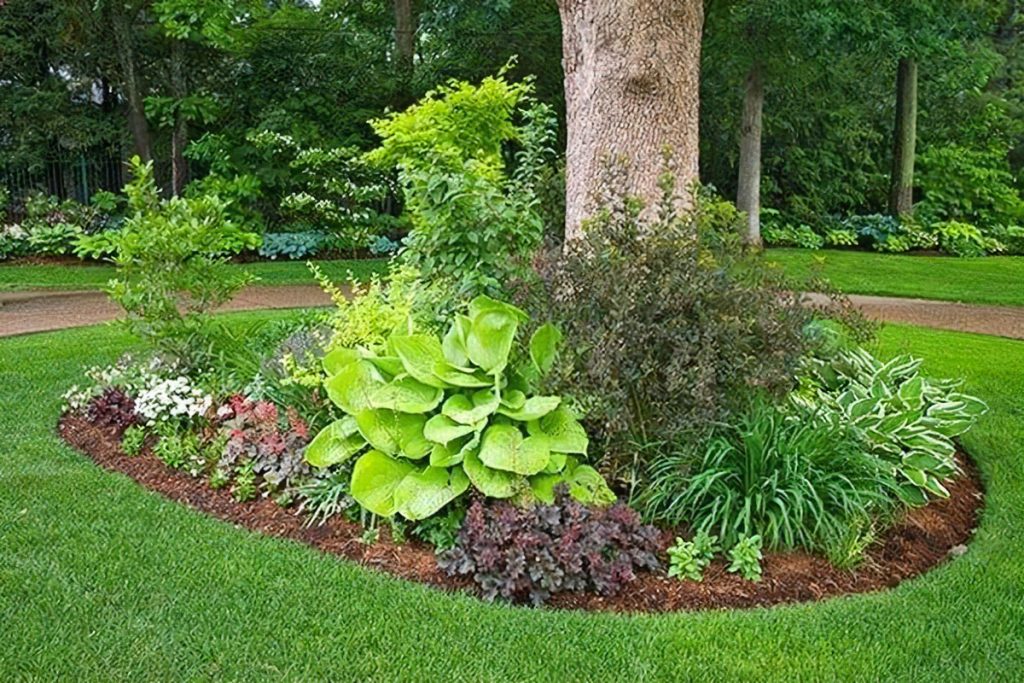
Trees and shrubs are the structural foundation of any landscape. They provide shade that reduces cooling costs during brutal DFW summers, privacy screens that define property boundaries, year-round color and visual interest that keeps a yard looking polished through every season, and a sense of permanence and maturity that no amount of annuals or seasonal plantings can replicate. A single well-placed shade tree can transform the livability of an outdoor space. A properly selected row of evergreen shrubs along a fence line can turn an exposed, flat backyard into something that feels like an actual retreat.
For homeowners across Keller, Southlake, Haslet, Saginaw, Roanoke, Trophy Club, and the surrounding DFW communities, tree and shrub installation is one of the highest-return landscape investments available — but only when it is done right. The wrong plant in the wrong location, planted at the wrong time with inadequate soil preparation, is not just a financial loss. It is a frustrating cycle of replacement that costs more in the long run than a professional installation done correctly from the start.
At Lone Star Mow Co, we provide professional tree and shrub installation for DFW homeowners who want plants that actually thrive — selected for the North Texas climate, installed with the right technique, and placed where they will perform at their best for years to come.
Why Tree and Shrub Selection Is the Most Critical Decision in DFW
The single most common reason trees and shrubs fail in North Texas landscapes is the wrong plant in the wrong place. DFW is a demanding environment for plant material — extreme summer heat, extended drought periods, clay-heavy alkaline soil, and the occasional hard freeze create conditions that quickly expose any mismatch between a plant's requirements and the realities of a specific yard.
The principle that guides every professional tree and shrub installation decision is simple but non-negotiable in North Texas: right plant, right place. It means matching the plant's requirements for sun exposure, soil type, drainage, water availability, and mature size to the actual conditions of the specific location where it will be installed.
A plant that is labeled as a full-sun species planted in a bed that receives three hours of direct sun will never perform well regardless of how carefully it is watered and fertilized. A moisture-loving shrub installed in a south-facing bed that bakes through a DFW August will be a constant struggle. A tree selected without regard to its mature canopy spread, installed twelve feet from a foundation, will eventually become a structural problem that requires expensive removal.
These are not hypothetical mistakes. They are the most common ones homeowners and inexperienced installers make on DFW properties every season. Professional tree and shrub installation starts with the assessment of the site conditions before a single plant is selected — and that assessment changes everything about the outcome.
The Best Trees for DFW Landscapes
North Texas has a surprisingly wide range of trees that thrive in its specific conditions — but the list of trees that struggle or fail is equally long. These are the most reliable, highest-performing tree options for DFW tree and shrub installation projects:
Live OakThe Live Oak is the gold standard of North Texas shade trees, and for good reason. It is drought-tolerant once established, long-lived, evergreen through most of the year, and capable of developing an impressive canopy that provides significant shade and visual presence. Live Oaks are native to Texas, which means they have evolved specifically for local soil and climate conditions. They are one of the most reliable long-term landscape investments available for DFW homeowners and a first-choice recommendation for any tree and shrub installation project where a statement shade tree is the goal.
Shumard Red OakFor homeowners who want a large, fast-growing shade tree with spectacular fall color, the Shumard Red Oak is one of the best options in DFW. It handles North Texas heat and clay soil well, grows at a moderate to fast rate compared to other oaks, and produces brilliant red to burgundy fall foliage that is genuinely striking in a region not known for dramatic autumn color. Shumard Oaks are a top choice for large front yards and open backyard spaces where a full-canopy shade tree has adequate room to develop.
Chinese PistacheThe Chinese Pistache has become one of the most popular trees for DFW tree and shrub installation in recent years, and it earns that popularity. It is drought-tolerant, heat-resistant, handles alkaline clay soil without complaint, and produces the most vivid fall color of any tree commonly planted in North Texas — rich oranges, reds, and golds that rival fall displays from much cooler climates. Chinese Pistache is a mid-size shade tree that works beautifully in front yard installations, along driveways, and as a specimen focal point in the landscape.
Cedar ElmCedar Elm is a native North Texas tree that is widely distributed across the DFW area for good reason — it is one of the most adaptable trees in the region, tolerating clay soils, drought, and a wide range of site conditions that would stress or kill many other species. It is deciduous, moderate to fast-growing, and produces reliable fall color. Cedar Elm is an excellent choice for DFW homeowners who want a native shade tree that requires minimal intervention once established.
Crape MyrtleNo tree is more synonymous with DFW summer landscapes than the Crape Myrtle. Available in dozens of varieties ranging from compact shrub forms to full-size trees reaching 20 feet or more, Crape Myrtles produce prolific blooms in white, pink, red, lavender, and fuchsia from summer through early fall. They are heat and drought tolerant, fast growing, and add ornamental interest through flowers, smooth multicolored bark, and fall leaf color. One important note for any DFW tree and shrub installation involving Crape Myrtles: select the right-sized variety for the location. Planting a large-maturing variety in a small space leads to the temptation of the excessive annual topping known as "Crape Murder" — a practice that permanently disfigures the tree and reduces both its ornamental value and its structural integrity.
Texas RedbudFor homeowners looking for a smaller ornamental tree with dramatic spring impact, the Texas Redbud delivers one of the most striking early-season displays of any plant in the DFW landscape palette. Brilliant pink to magenta blooms emerge before the leaves in late February and March, covering the entire tree in color before a single leaf appears. The Texas Redbud is a native species perfectly adapted to local conditions, reaches a manageable 15 to 20 foot mature height, and provides excellent shade and visual interest even outside of bloom season.
The Best Shrubs for DFW Landscapes
Shrubs are the workhorses of a North Texas landscape — providing structure, color, screening, and definition at a scale that fills the space between the lawn and the tree canopy. These are the most reliable performers for DFW tree and shrub installation projects:
LoropetalumLoropetalum has become one of the most widely planted shrubs in DFW residential landscapes, and its performance in North Texas conditions justifies the enthusiasm. The deep purple-red foliage provides year-round color that contrasts beautifully against green lawns and lighter hardscape materials. Dramatic pink fringe flowers appear in late winter and spring, and the plant handles heat and drought well once established. Loropetalum is available in a wide range of sizes — from compact varieties that stay under three feet to larger selections that reach eight feet or more — making it versatile for foundation plantings, hedge rows, and specimen placements throughout the landscape.
Yaupon HollyYaupon Holly is a Texas native that is nearly indestructible in DFW conditions. It tolerates heat, cold, drought, clay soil, and heavy pruning with equal resilience. Yaupon Holly is available in both standard multi-trunk forms and dwarf compact varieties, making it appropriate for everything from formal hedge rows to informal foundation plantings. Female plants produce prolific red berries in fall and winter that add seasonal interest and attract birds. For DFW homeowners looking for a low-maintenance evergreen shrub that will perform consistently for decades, Yaupon Holly belongs on every tree and shrub installation shortlist.
Indian HawthornIndian Hawthorn is a classic DFW foundation shrub known for its compact, mounding habit, attractive evergreen foliage, and white to pink spring blooms. It handles the North Texas climate well, requires minimal maintenance once established, and holds its clean, tidy appearance through multiple seasons without aggressive pruning. Indian Hawthorn is a particularly good choice for lower foundation beds and border plantings where a reliably sized, well-behaved shrub is the goal.
Texas Sage (Cenizo)Texas Sage is one of the most drought-tolerant shrubs available for DFW tree and shrub installation — literally built for hot, dry Texas conditions. The silvery-gray foliage provides an attractive textural contrast in the landscape, and the plant produces stunning lavender-purple blooms in response to rainfall events, particularly in late summer and fall. Texas Sage requires very little water once established and thrives in full sun locations where other shrubs struggle. It is an excellent choice for the west and south-facing exposures on DFW properties where summer heat is most intense.
Knockout RoseFew shrubs deliver the continuous seasonal color of the Knockout Rose series, which has become a DFW landscape staple for good reason. Knockout Roses bloom repeatedly from spring through the first hard frost — far longer than traditional rose varieties — and are significantly more disease-resistant and drought-tolerant than older rose types. They are a high-visibility choice for entry beds, primary foundation plantings, and any location in the landscape where consistent color is the priority through the full growing season.
Dwarf Burford HollyDwarf Burford Holly is a compact, dense evergreen shrub that produces bright red berries in fall and winter, holds its shape well between trimming visits, and handles full sun to partial shade in DFW conditions without complaint. It is a reliable choice for structured plantings, formal hedge lines, and foundation beds where a consistently neat, medium-sized evergreen is needed year-round.
When Is the Best Time for Tree and Shrub Installation in DFW?
This is one of the most common questions homeowners ask before a tree and shrub installation project, and the answer runs counter to what many people instinctively assume.
Fall is the best window for tree and shrub installation in DFW: October through December. This counterintuitive reality is one of the most important things a DFW homeowner can understand about landscape investment. When trees and shrubs are planted in fall, the air temperatures are cooling but the soil remains warm — warm enough for root systems to continue growing and expanding throughout the fall and into the mild North Texas winter. By the time the intense heat of the following summer arrives, a fall-installed tree or shrub has had months of quiet underground establishment that a spring-installed plant simply does not have. The result is a plant that enters its first DFW summer with a stronger, more developed root system that is far better equipped to handle the heat and drought stress of July and August.
Spring is the second-best window: March through May. Spring tree and shrub installation works well in DFW, particularly for warm-season plants that benefit from active growing conditions. The primary limitation of spring installation compared to fall is that spring-planted trees and shrubs must face their first DFW summer relatively soon after being placed in the ground. Proper establishment watering is critical during the first summer for spring-installed plants.
Summer is the most challenging window. Tree and shrub installation during the peak of a DFW summer — July and August especially — puts newly installed plants under significant stress immediately. High soil temperatures, intense sun, and the watering demands of maintaining new transplants through peak heat make summer installation the most difficult and highest-risk timing of the year. It is not impossible, but it requires diligent attention and consistent irrigation to prevent transplant failure.
Professional Tree and Shrub Installation: What the Process Looks Like
A professional tree and shrub installation is not simply digging a hole, dropping a plant in, and watering it. The quality of the installation process determines whether the plant thrives or struggles — and several specific steps separate a professional outcome from a DIY one.
Site assessment and plant selection. Before a single plant is chosen, a professional crew evaluates the sun exposure, soil conditions, drainage, available space, and the homeowner's aesthetic goals for each specific area of the property. This assessment drives plant selection that matches the actual conditions of the site rather than what looks appealing at the nursery.
Soil preparation. DFW's clay-heavy soil often needs amendment before trees and shrubs are installed. Clay soil compacts easily, drains poorly, and can create the "bowl effect" that traps water around root balls — one of the most common causes of tree and shrub failure after installation. Professional soil preparation loosens the planting zone and improves drainage before the plant goes in.
Correct planting depth and technique. One of the most common tree installation mistakes is planting too deep. The root flare — the point where the trunk transitions to the root system — should be visible at or slightly above the soil surface after installation. Burying the root flare leads to oxygen deprivation, bark deterioration, and eventual decline even on otherwise healthy trees. Professional installation sets every plant at the correct depth every time.
Mulching after installation. A two to three inch ring of mulch around newly installed trees and shrubs is critical for moisture retention, soil temperature regulation, and weed suppression during the establishment period. The mulch ring should never touch the trunk or stem directly — always leave a gap of several inches to prevent rot and pest issues.
Establishment watering guidance. Every tree and shrub installation requires a specific watering approach during the establishment period — typically the first one to two growing seasons after planting. Professional installation includes clear guidance on how to water new plants to support establishment without overwatering, which is as damaging as drought stress for newly installed trees and shrubs.
Tree and Shrub Installation That Adds Lasting Value to Your DFW Property
Trees and shrubs are the longest-lived investments in any DFW landscape. A Live Oak planted today will still be providing shade and beauty to that property in fifty years. A well-placed row of Loropetalum along a fence line will structure and define that space for decades with minimal maintenance. The cumulative value — in curb appeal, energy savings from shade, property value enhancement, and daily quality-of-life improvement — from a professional tree and shrub installation executed correctly from the start is difficult to overstate.
Lone Star Mow Co provides professional tree and shrub installation for homeowners throughout Keller, Southlake, Haslet, Saginaw, Roanoke, Trophy Club, Justin, Northlake, Rhome, Boyd, Azle, and Lake Worth. From the initial site assessment and plant selection through full installation and establishment guidance, we handle every detail of your tree and shrub installation project with the precision and care that your landscape investment deserves.

Ready to add trees and shrubs that will transform your DFW property for years to come?
Lone Star Mow Co provides expert tree and shrub installation for homeowners across the Dallas-Fort Worth area. Let us help you select the right plants for your specific yard conditions and install them the right way from day one.

Ready to Transform Your property?

Find Us On


