

Water Conservation and Smart Irrigation Coordination for North Texas Lawns
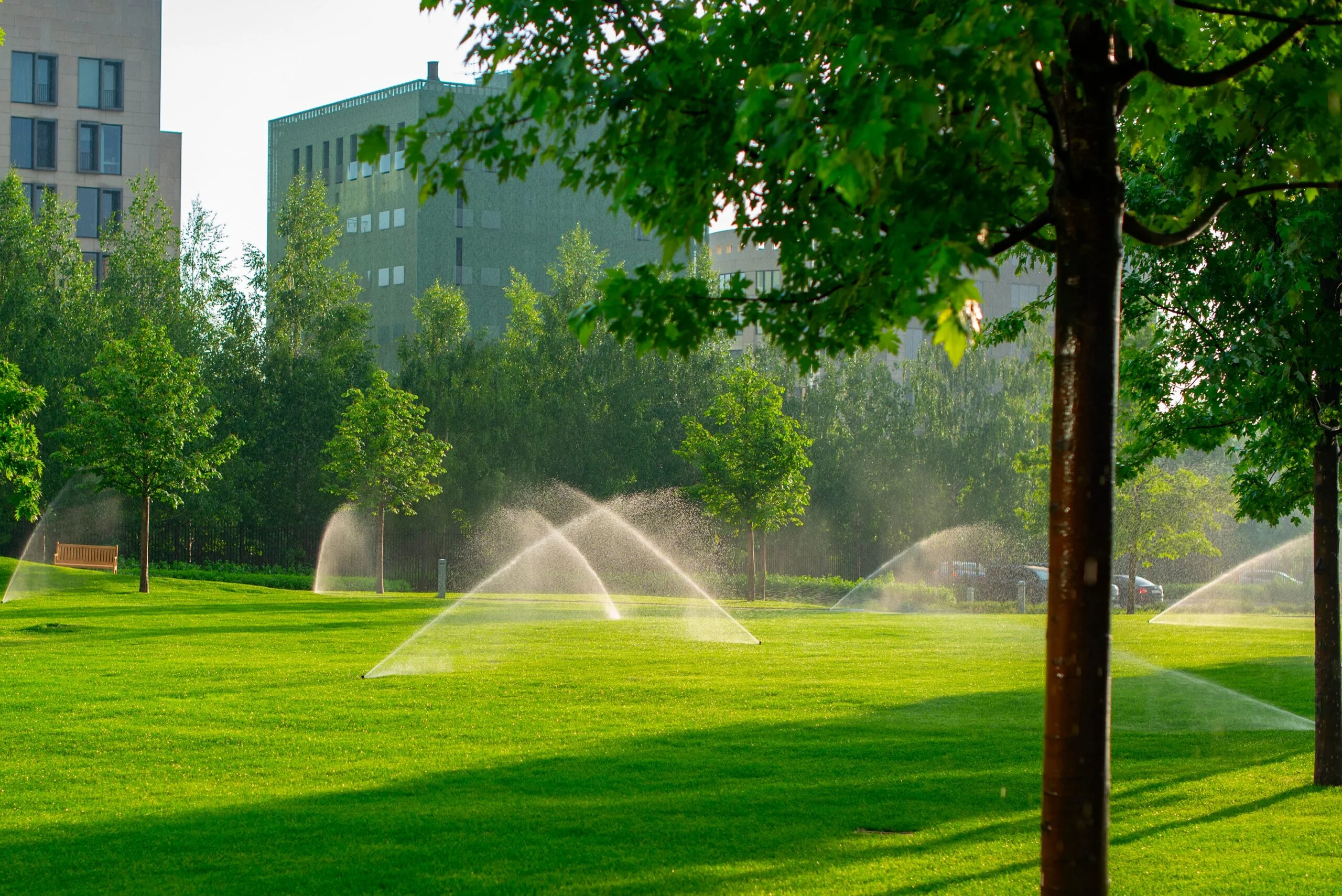
So you're trying to balance a genuinely healthy North Texas lawn against real water conservation goals, whether that's driven by rising water costs, periodic municipal restrictions, or general environmental priorities, and you're wondering whether these goals are actually compatible or fundamentally at odds with each other. Proper coordination between your lawn care program and your irrigation system, rather than treating watering as a separate, disconnected concern, is genuinely what makes conservation and lawn health compatible rather than competing priorities.
Why Watering and Lawn Care Need to Work Together, Not Separately
A lawn care program that mows, fertilizes, and maintains your turf without any coordination with your actual irrigation schedule often works against water efficiency, since proper mowing height and fertilization timing directly affect how much water your specific lawn genuinely needs at any given point in the season.
How Proper Mowing Height Reduces Water Demand
Grass mowed at the correct height for its specific type, generally taller during North Texas summer heat, develops deeper root systems and provides more shade to the soil surface, both factors that genuinely reduce how much supplemental water your lawn needs compared to grass cut too short, which stresses roots and increases evaporation from more exposed soil.
Smart Irrigation Controller Coordination
Weather-based smart irrigation controllers adjust watering automatically based on actual rainfall and evapotranspiration data, and coordinating your lawn care schedule with your irrigation system's actual programming, rather than each operating independently without communication, helps ensure your lawn gets adequate water without unnecessary waste.
Deep, Infrequent Watering vs. Frequent Shallow Watering
Proper irrigation scheduling favors deeper, less frequent watering sessions that encourage roots to grow downward seeking moisture, over frequent shallow watering that keeps roots shallow and actually increases your lawn's ongoing water dependency, a distinction that significantly affects both water usage and long-term lawn resilience.
Seasonal Adjustment Throughout the North Texas Growing Season
Water demand shifts significantly across a North Texas year, and irrigation schedules that remain static throughout the season either waste water during cooler, lower-demand periods or under-water during peak summer heat, meaning genuine water conservation requires seasonal adjustment rather than a single fixed schedule maintained year-round.
How Soil Health Affects Water Retention
Healthier soil, supported by proper aeration and organic matter, retains moisture more effectively than compacted, poor-quality soil, meaning soil health improvement, a core part of comprehensive lawn care, directly supports water conservation goals by reducing how quickly applied water drains away or evaporates.
Why Drought-Tolerant Turf Considerations Matter
For homeowners specifically prioritizing water conservation, understanding which turf varieties genuinely perform better with reduced water in North Texas conditions, and whether your current lawn's variety aligns with your conservation goals, is worth discussing as part of an overall water-conscious lawn care approach.
Coordinating During Municipal Watering Restrictions
North Texas municipalities periodically implement watering restrictions during drought conditions, and a lawn care program that helps you maximize your lawn's health within whatever restricted watering schedule applies, rather than a program disconnected from these realities, protects your lawn through restricted periods more effectively.
5 Questions to Ask About Water-Conscious Lawn Care
1. How does my mowing height and frequency affect my lawn's actual water needs? Understanding this connection helps you see how lawn care and conservation work together.
2. Can you help me evaluate whether my irrigation system's programming actually matches my lawn's real needs? Many systems run on generic schedules that don't reflect actual conditions.
3. How do you adjust recommendations during municipal watering restrictions? A good provider helps you maximize lawn health within whatever limits apply.
4. What soil health improvements would help my lawn retain water more effectively? This connects directly to reducing overall water demand.
5. Is my current turf variety well-suited to my water conservation goals? Some varieties genuinely require less water than others in our climate.
Lone Star Mow Co: Healthy Lawns, Genuine Conservation
At Lone Star Mow Co, we help North Texas homeowners understand how mowing height, soil health, and irrigation coordination work together, so water conservation and a genuinely healthy lawn aren't competing priorities.
We are proud of the standard we bring to the North Texas homeowners we serve across Keller, Southlake, Haslet, Saginaw, Roanoke, Trophy Club, and the surrounding communities.

Want a lawn care approach that genuinely supports water conservation? Schedule your free consultation today.
Schedule Your Free Consultation Today → lonestarmowco.com/contact-us

Ready to Transform Your property?

Find Us On


