

What Professional Lawn Care Looks Like in Winter in North Texas
What Professional Lawn Care Looks Like in Winter in North Texas
One of the assumptions that new lawn care clients sometimes bring to a service relationship is that winter is essentially a maintenance vacation — the grass is dormant, the landscape is quiet, and professional service is an expense that can be paused until spring. This assumption is understandable but incorrect, and the consequences of acting on it are paid in spring when the effects of an unmanaged winter become visible.
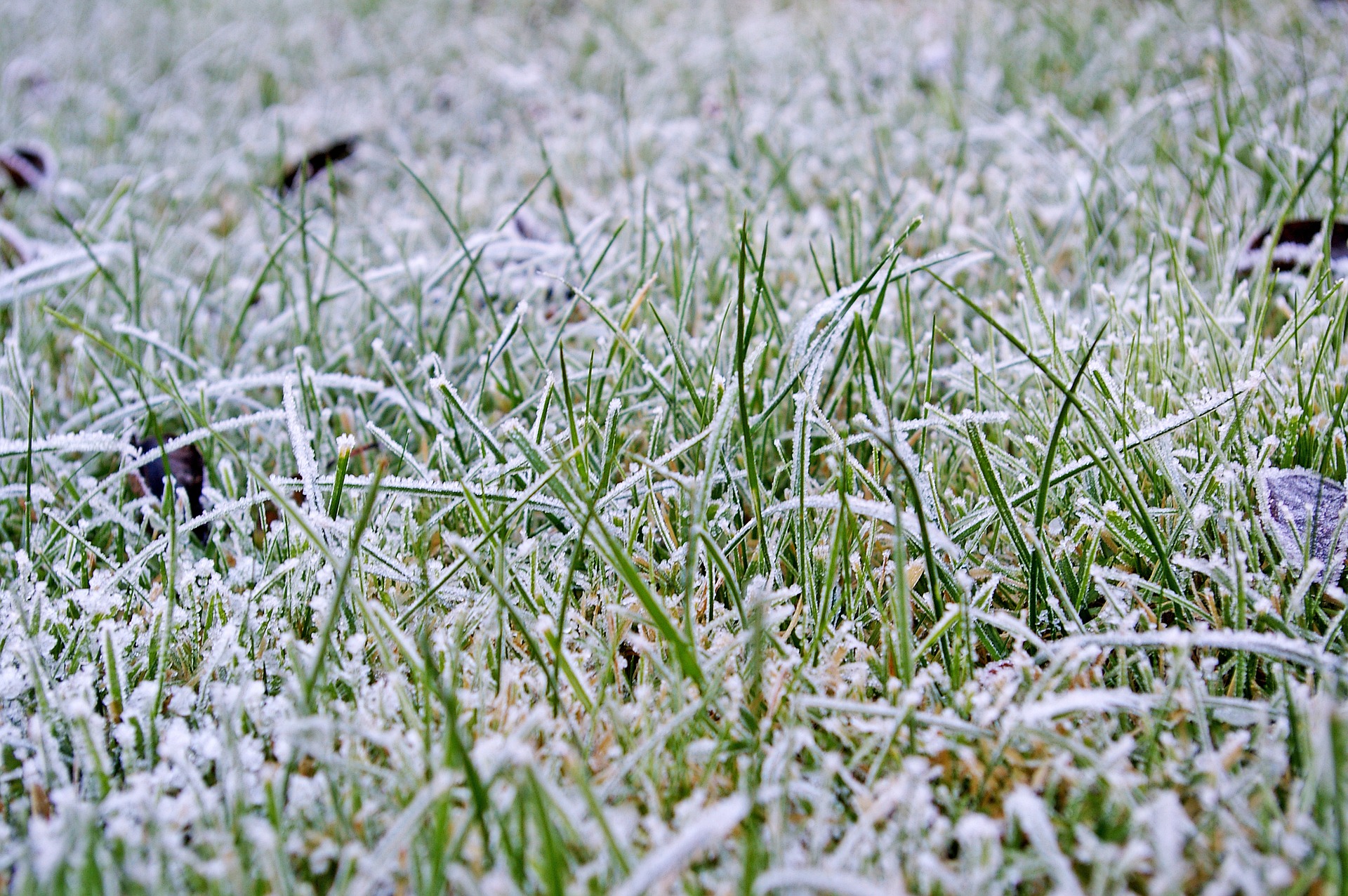
North Texas warm-season lawns in winter are not performing actively, but they are not maintenance-free. They are dormant — a biologically distinct state that requires different management than the active growing season, not an absence of management. And the landscape around those dormant lawns is actively producing the cool-season weed populations, leaf accumulation, and bed deterioration that professional winter service addresses.
This blog covers what professional lawn care actually looks like through the North Texas winter months — specifically November through February — and why this reduced-frequency, different-focus service has real value rather than being a service subscription that coasts through a quiet season.
Reduced-Frequency Maintenance: What Changes and Why
The most visible change in a professional lawn maintenance program during winter is mowing frequency. Warm-season grasses — Bermuda, Zoysia, and St. Augustine — stop or dramatically reduce top growth once temperatures drop below 50 degrees consistently and the turf enters dormancy. Mowing a dormant lawn on a weekly schedule serves no turf health purpose and creates mechanical stress on turf tissue that is not actively growing.
The appropriate winter maintenance frequency for most North Texas properties is bi-weekly service — maintenance visits every two weeks rather than weekly — that addresses the conditions that do change through the winter months even as the grass itself is not growing:
Leaf accumulation continues throughout winter from the sequential drop of different tree species. Live Oaks begin their late-winter drop in February, joining the accumulated leaf material from fall-dropping species. Regular leaf management through the winter months prevents the smothering and disease conditions described in the leaf cleanup blog.
Bed maintenance continues. Cool-season weeds germinate and grow through the North Texas winter in beds that did not receive fall pre-emergent. Bermuda runners slow but do not stop at the bed edges in mild winter conditions. Organic debris continues accumulating in beds through winter leaf drop and wind-distributed material.
Property appearance continues mattering. A dormant brown lawn is not optional — it is the normal condition of a warm-season lawn in winter. But a dormant lawn surrounded by clean edges, maintained beds, and absence of accumulated leaf material and weeds looks maintained even in dormancy. The property that goes unmaintained through winter develops the accumulated condition that takes significant spring restoration work to address.
Winter Pre-Emergent: The November Timing
The November pre-emergent application described in the blog series covering fall investment deserves specific attention as a winter service component. DFW's mild winters create soil temperatures that remain warm enough for cool-season weed germination well into November in many years — the fall pre-emergent window that was timed to September or early October for initial cool-season weed prevention may need a supplemental November application to maintain the barrier through the full winter germination period.
Lone Star Mow Co's winter service program includes monitoring soil temperatures and cool-season weed emergence pressure to determine whether the November window warrants a supplemental pre-emergent application. For properties where the fall pre-emergent was applied correctly and barrier integrity is holding, no supplemental application is needed. For properties where cool-season weed emergence pressure suggests barrier depletion, the November application extends protection through the remainder of the winter germination period.
Freeze Preparation and Response
The freeze preparation and response service described in the freeze damage blog is part of winter maintenance for properties with sensitive plantings. For established North Texas landscapes with the proven heat-and-cold-tolerant species described throughout this blog series — Yaupon Holly, Loropetalum, Indian Hawthorn, Bermuda and Zoysia turf — standard winter conditions require no special protection.
For properties with more cold-sensitive species — particularly St. Augustine turf, newly installed plantings that have not yet established full root systems, or species at the marginally cold-hardy edge of the North Texas growing range — professional monitoring through cold weather events and communication about protection timing for significant freeze events is part of the winter service relationship.
Planning and Assessment: The Winter Window for Improvement Projects
Winter dormancy also creates the window for improvement projects that are more disruptive to perform during the active growing season — sod preparation and installation timing, landscape renovation assessments, tree and shrub installation planning, and grade and drainage correction work.
Winter is the ideal planning season for any landscape project that the homeowner is considering for the following spring. The assessment conversation with Lone Star Mow Co — walking the dormant property and identifying the areas of concern, discussing the options for addressing them, and establishing the spring service calendar — is most productive during the winter months when the full extent of maintenance needs from the previous season is visible and when planning can be completed before the spring service window opens.
What Winter Maintenance Produces by Spring
The properties that look best in the first weeks of spring are almost universally the properties that received consistent professional attention through the previous winter. The dormant turf that emerges from a winter without accumulated leaf damage, cool-season weed competition, and soil structure deterioration from freeze events greens up more uniformly and more quickly. The landscape beds that were maintained through winter with regular cleanout of cool-season weeds and debris start spring at a clean baseline rather than requiring intensive restoration before the season begins.
This is the true value of professional winter service: not the visible appearance during dormancy, but the spring starting position that determines how quickly and how completely the property reaches its best seasonal condition after green-up.
Lone Star Mow Co provides bi-weekly winter maintenance for homeowners across Keller, Southlake, Haslet, Saginaw, Roanoke, and Trophy Club — covering the leaf removal, bed maintenance, cool-season weed management, and property condition that ensures the property enters spring from the best possible starting point.

Want your North Texas property to start spring in the best possible condition? Professional winter maintenance is how it happens.
Lone Star Mow Co provides year-round professional lawn care including winter bi-weekly maintenance for homeowners across Keller, Southlake, Haslet, Saginaw, Roanoke, and Trophy Club. Schedule your consultation today.

Ready to Transform Your property?

Find Us On


