


Why Your DFW Lawn Turns Brown in Summer — and What to Do About It
Why Your DFW Lawn Turns Brown in Summer — and What to Do About It
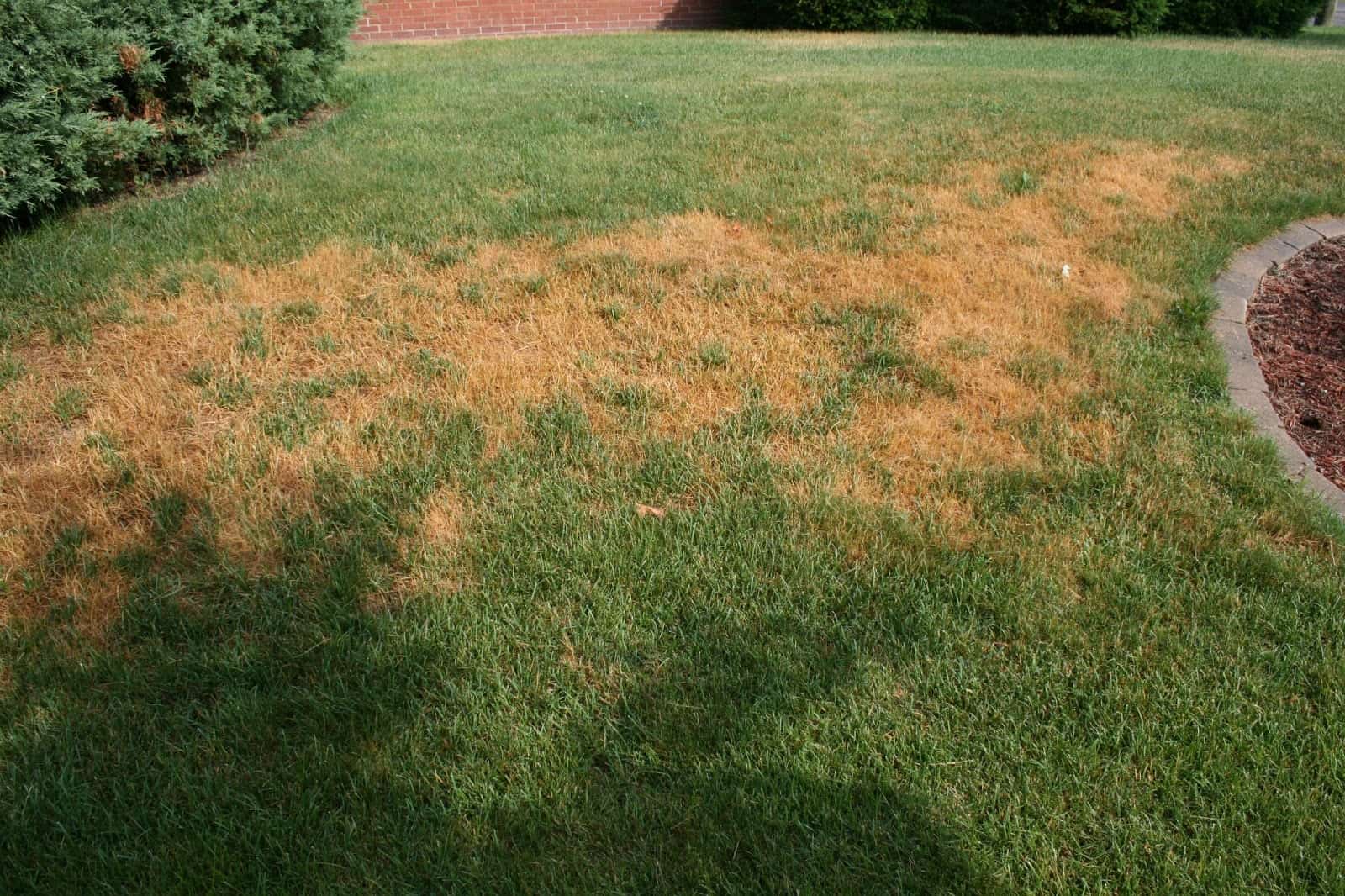
It happens every summer across the Dallas-Fort Worth area. The lawn looks reasonably good through April and May, then June arrives and sections start to decline — yellow patches, brown spots, thin areas that seemed to develop overnight. By August, what looked like a promising lawn season is turning into a frustration.
Summer lawn decline in DFW is common, but it is not inevitable. Most cases of summer lawn browning across Keller, Southlake, Haslet, Saginaw, and the surrounding North Texas communities have specific, identifiable causes — and specific, appropriate solutions. The biggest mistake homeowners make when they see summer browning is responding with more water, when in many cases that makes the underlying problem significantly worse.
Here is what actually causes DFW lawns to turn brown in summer, and what to do about each cause.
Cause 1: Heat Stress and Drought
This is the most visible and most intuitive cause of summer browning on DFW lawns. When temperatures regularly exceed 100 degrees and rainfall is minimal, warm-season grasses experience heat and drought stress that produces wilting, color loss, and in severe cases, dormancy.
The signals: Heat-stressed grass turns a distinctive blue-gray color before browning, and grass blades fold or roll lengthwise as the plant tries to reduce its surface area and conserve moisture. These signs appear first in the highest-heat, lowest-irrigation areas of the property — typically south and west-facing exposures and areas near concrete that radiates heat.
The fix: Deep, infrequent watering in the early morning. One inch of water delivered in two sessions per week is significantly more effective than daily light watering that never reaches the root zone. If water restrictions are in place, focus on keeping roots alive rather than maintaining perfect green color — Bermuda and Zoysia will recover from temporary drought dormancy. St. Augustine is more vulnerable and should be prioritized in water-restricted conditions.
Cause 2: Brown Patch Fungal Disease
Brown patch is one of the most common and most destructive lawn problems in DFW — particularly on St. Augustine lawns — and it is frequently mistaken for drought stress by homeowners who respond by increasing irrigation. Watering more spreads brown patch disease faster.
The signals: Brown patch produces circular to irregular patches of yellowing and browning turf, often with a distinctive dark brown ring at the outer edge of the patch. The affected area may appear collapsed or matted rather than simply dry. Brown patch is most active when temperatures are warm and humidity is elevated — conditions that DFW provides regularly from late spring through early fall.
The fix: Stop evening and nighttime watering immediately. Water only in the early morning. Apply an appropriate fungicide treatment to halt the spread. Avoid over-fertilizing with nitrogen, which promotes the dense, moist growth conditions that brown patch thrives in. Professional lawn care monitoring catches brown patch early — before small patches become large dead sections that require sod replacement.
Cause 3: Chinch Bug Damage
Chinch bugs are small insects that pierce St. Augustine grass blades and inject a toxin while feeding, causing yellowing and browning that starts in small areas and expands rapidly during hot, dry conditions from July through September.
The signals: Chinch bug damage looks almost identical to drought stress from a distance — yellowing patches that turn brown. The key diagnostic: drought-stressed grass wilts and recovers partially when watered. Chinch bug-damaged grass does not recover when watered. To confirm, part the grass at the edge of an affected area and look for small, dark insects roughly the size of a sesame seed moving through the thatch layer.
The fix: Targeted professional insecticide application to affected and surrounding areas. Chinch bugs move quickly and will expand into adjacent healthy turf if not treated promptly. Early identification is critical — a small chinch bug infestation treated at first detection is far less costly than one that has spread across a large section of the lawn.
Cause 4: Scalping and Mowing Damage
A lawn that is being cut too short — particularly St. Augustine cut below two and a half inches or any grass cut in a single aggressive pass that removes more than one-third of the blade — will develop browning from stress that looks similar to disease or drought damage but has a different, entirely preventable cause.
The signals: Scalping damage appears immediately after mowing as the exposed lower stems and soil surface turn tan or brown. The browning follows the mow pattern and is uniform across the scalped area rather than appearing in irregular patches.
The fix: Raise the mowing height to the appropriate level for your grass type and stick to the one-third rule on every visit. For lawns that have gotten too tall between visits, lower the height gradually over multiple cuts rather than trying to correct it in a single aggressive mow.
Cause 5: Grub Damage
Lawn grubs — the larvae of various beetle species — feed on grass roots through late summer and early fall, severing the root system from below. Because the damage occurs underground, it is often not visible until the roots are so thoroughly consumed that the turf simply dies in patches.
The signals: Grub-damaged turf turns brown and dies in irregular patches. The definitive diagnostic is lifting the turf in the affected area — grub-damaged grass peels back from the soil surface easily because the roots have been consumed. Visible grubs (white, C-shaped larvae) in the soil confirm the diagnosis.
The fix: Targeted professional insecticide application with products appropriate for grub control. Preventative treatment in early summer can prevent grub establishment before damage occurs. Extensive damage may require sod installation in affected areas to restore turf after treatment.
Cause 6: Overwatering
Counterintuitively, overwatering is one of the common causes of summer browning on DFW lawns — particularly for St. Augustine. Too much water creates anaerobic soil conditions that damage roots, promotes fungal disease, and can cause a general yellowing and browning that looks superficially similar to drought stress.
The signals: Overwatered turf often appears yellow-green rather than brown, has a mushy feel, and may show signs of fungal disease development in affected areas. The soil, when probed, is consistently saturated rather than dry.
The fix: Reduce watering frequency and allow the soil to partially dry between sessions. Deep, infrequent watering is always better than light daily watering for DFW warm-season grasses.
Getting Help When Your DFW Lawn is Struggling
Diagnosing the specific cause of summer browning on a DFW lawn requires experience with the specific pest and disease patterns common in North Texas — and the ability to distinguish between problems that look similar on the surface but require completely different responses. Watering more when the problem is chinch bugs. Watering less when the problem is overwatering. Applying fungicide when the problem is brown patch rather than drought. Getting the diagnosis right is the difference between solving the problem and making it worse.
Lone Star Mow Co's professional lawn care team monitors every property we service through the summer months — watching for early signs of stress, pest activity, and disease pressure before they develop into the widespread damage that costs significantly more to repair than to prevent.

Is your DFW lawn struggling this summer? Let Lone Star Mow Co assess what is actually happening and fix it the right way.
Schedule your consultation and get expert eyes on your property before summer damage becomes a fall restoration project.

Ready to Transform Your property?

Find Us On


