

Zoysia Grass Lawn Care in DFW: The Low-Maintenance Premium Lawn Option
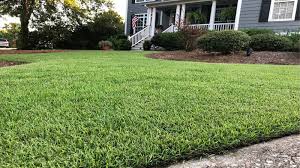
Zoysia Grass Lawn Care in DFW: The Low-Maintenance Premium Lawn Option
If you have been researching lawn options for your DFW property and feeling like you have to choose between a lawn that looks exceptional and a lawn that does not require constant attention to maintain — Zoysia grass exists to solve that problem. Among the three warm-season grasses that dominate residential lawns across Keller, Southlake, Haslet, Saginaw, Roanoke, and Trophy Club, Zoysia is the one that consistently delivers the combination of dense, attractive appearance with the lowest ongoing maintenance demand.
That is not a small claim in the North Texas lawn care environment, where Bermuda requires aggressive mowing frequency during peak season and St. Augustine demands more water and more pest and disease attention than most homeowners anticipate. Zoysia's slower growth rate, superior drought tolerance relative to St. Augustine, and ability to handle both sun and partial shade make it genuinely versatile — and the fine-textured, dense turf it produces at maturity is among the most impressive lawn surfaces available in DFW.
This guide covers everything DFW homeowners need to know to care for Zoysia grass correctly through every season.
Zoysia Grass Basics for DFW
Zoysia is a warm-season grass that spreads through both stolons and rhizomes — above-ground and below-ground runners — but significantly more slowly than Bermuda. This slower establishment pace is Zoysia's primary limitation relative to Bermuda, but it is also part of what produces Zoysia's characteristic density: slower growth produces a tighter, finer-textured turf that crowds out weeds more effectively than either Bermuda or St. Augustine once fully established.
Zoysia has better shade tolerance than Bermuda — it performs reasonably well in areas receiving four to six hours of direct sun — while being more drought-tolerant than St. Augustine once established. This versatility makes it appropriate for DFW yards with mixed sun and shade patterns where neither Bermuda nor St. Augustine performs optimally across the entire property.
Like all DFW warm-season grasses, Zoysia goes dormant and turns brown during winter when temperatures drop below approximately 50 degrees. It greens up reliably in spring as soil temperatures warm and remains green through the full DFW growing season.
Several Zoysia varieties are available for DFW installations. Palisades Zoysia is one of the most widely used in North Texas — a medium-bladed, dark green variety known for excellent performance across both sun and partial shade. Emerald Zoysia produces the finest texture and densest appearance but requires more direct sun and more careful maintenance. Zeon Zoysia is another high-performance option with excellent shade tolerance. The right variety for a specific property depends on the sun patterns, intended use, and maintenance preferences of that specific homeowner.
Mowing Zoysia Grass in DFW
The correct mowing height for Zoysia in DFW is one and a half to three inches, varying by variety. Fine-bladed varieties like Emerald perform best at the lower end of that range. Coarser varieties like Palisades look and perform well at two to two and a half inches. One of Zoysia's genuine advantages for DFW homeowners is that its slower growth rate reduces mowing frequency compared to Bermuda — during the peak growing season, Zoysia often needs mowing every seven to ten days rather than every five to seven days that Bermuda requires.
The one-third rule applies to Zoysia as it does to all DFW warm-season grasses. Zoysia does develop thatch more readily than Bermuda or St. Augustine, and periodic dethatching or core aeration is important for preventing a thatch layer that blocks water, air, and nutrients from reaching the root zone.
Fertilizing Zoysia Grass in DFW
Zoysia has a lower fertilizer requirement than Bermuda. Two to three applications per year is typically sufficient — one in late spring once active growth is confirmed, one in early to mid-summer, and optionally one in early fall. Over-fertilizing Zoysia stimulates the rapid growth that produces excessive thatch and undermines one of the grass's primary advantages. Follow product label rates carefully and resist the impulse to add extra nitrogen in hopes of faster green-up.
Like St. Augustine, Zoysia in DFW's alkaline clay soil can benefit from micronutrient support including iron and manganese to maintain deep green color. A yellowing Zoysia lawn in DFW is often a nutrient availability issue related to soil pH rather than a simple nitrogen deficiency.
Watering Zoysia Grass in DFW
Zoysia falls between Bermuda and St. Augustine in water requirement. Approximately one to one and a half inches per week during the peak growing season is adequate for most DFW Zoysia lawns. Once established — which typically takes one to two full growing seasons from sod installation — Zoysia is meaningfully more drought-tolerant than St. Augustine and can handle moderate drought periods without the damage that St. Augustine sustains under the same conditions.
Deep, infrequent watering is the correct approach for Zoysia as it is for all DFW warm-season grasses. Water in the early morning to minimize evaporation and prevent moisture from sitting on the grass surface overnight.
Thatch Management for Zoysia in DFW
Zoysia's tight, dense growth habit produces thatch more readily than other DFW warm-season grasses. Thatch is the layer of dead organic material that accumulates between the grass blades and the soil surface. A thin thatch layer is beneficial — it acts as insulation and helps retain moisture. A thatch layer exceeding half an inch blocks water, air, and nutrient penetration and creates conditions where disease and pest problems develop.
Annual core aeration is the most effective ongoing thatch management strategy for DFW Zoysia lawns. The physical disruption of the thatch layer by the aeration cores stimulates microbial activity that decomposes accumulated material. Properties with significant thatch accumulation may benefit from vertical mowing (dethatching) before aeration to break up the layer before biological decomposition begins.
Zoysia Sod Installation in DFW
Zoysia sod is generally the most expensive of the three common DFW sod types — but the investment is justified by the lower ongoing maintenance costs, the superior appearance at maturity, and the longer productive life of a well-established Zoysia lawn.
The most important consideration for DFW Zoysia sod installation is patience with establishment. Zoysia establishes more slowly than Bermuda from sod. In the first growing season, a newly installed Zoysia lawn may show some variability in density as the grass establishes root contact with the soil and begins spreading. By the second full growing season, properly installed Zoysia on prepared soil has typically reached the dense, uniform surface that makes it so impressive.
Fall and spring are the best installation windows for Zoysia sod in DFW. Fall installation gives the grass months of quiet root development before the first summer. Spring installation allows the grass to establish through the full growing season before its first dormancy period.
Lone Star Mow Co provides professional Zoysia grass lawn care and sod installation across our full DFW service area. From the initial installation through year-round maintenance, aeration, and the seasonal care that keeps Zoysia performing at its best in North Texas conditions, we deliver the expert service this premium grass type deserves.

Ready to invest in a Zoysia lawn that delivers premium results with less maintenance?
Lone Star Mow Co provides Zoysia sod installation and professional lawn care for homeowners across Dallas-Fort Worth. Schedule your free consultation today.

Ready to Transform Your property?

Find Us On


